Are you wondering how garden landscaping 2026 will transform your Outdoor spaces into more functional, sustainable, and Beautiful environments? Do you want fresh Ideas that combine Design, nature, and comfort for your Front yard and Backyard? In this article, I explore the most inspiring garden landscaping 2026 trends, blending Rock, Japanese, European, English, and modern influences to help you create a space that reflects your lifestyle and values.
From Wild meadows and Rose courtyards to Succulent rock gardens and calming Bamboo retreats, I will guide you through practical layouts, plant selections, and furniture choices. Each section is designed to help you understand how to balance aesthetics, sustainability, and comfort in your outdoor living areas.
White Zen Garden With Bamboo
I design a White Zen Garden with Bamboo as a peaceful retreat that reflects Modern japanese and traditional Japanese principles. This type of garden focuses on balance, simplicity, and visual harmony. I usually combine white gravel, smooth stones, and structured plantings to create a clean and calming atmosphere. It is especially suitable for small Front yards or private meditation corners in larger properties.
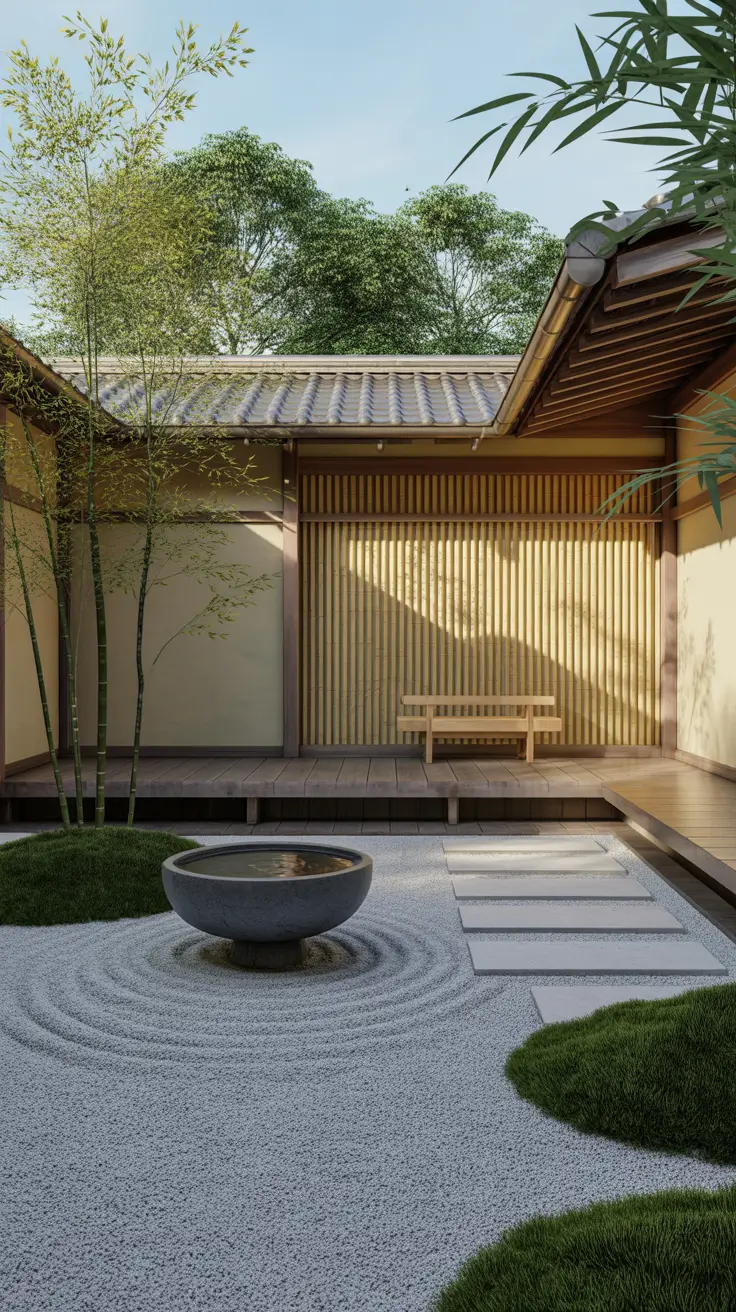
I include raked gravel beds, natural stone pathways, low wooden benches, and vertical Bamboo screens. Each element serves a purpose: gravel improves drainage, stones create visual anchors, and benches offer quiet seating. I also add subtle lighting and water bowls to enhance the reflective mood. These details make the space practical for relaxation while maintaining its minimalist Design.
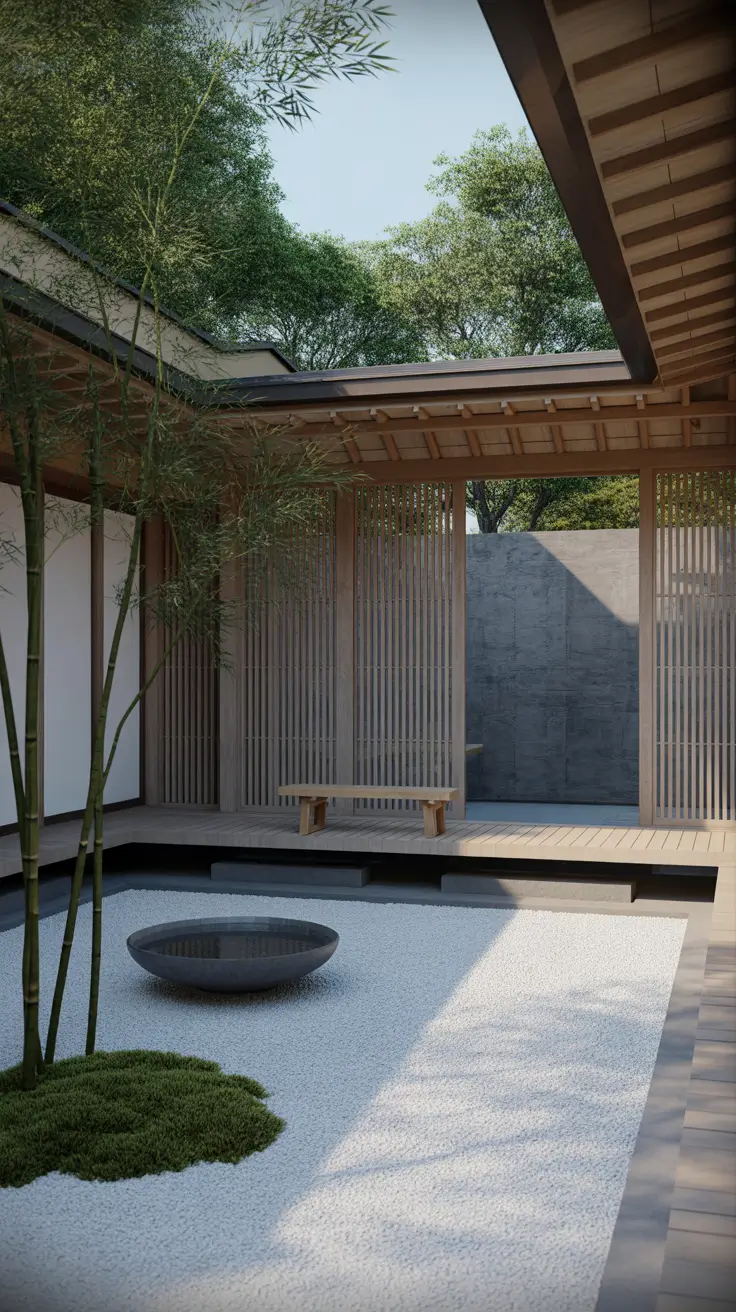
From my experience, clients appreciate how this style reduces visual clutter and promotes mindfulness. Designers featured in Architectural Digest often emphasize simplicity and negative space in outdoor planning, and I fully agree with this approach. I have personally noticed how a Zen garden encourages daily moments of calm, especially in busy urban settings.
To improve this section, I would add a small shaded pergola or retractable canopy to enhance usability during hot summers or Rain seasons. I would also integrate smart irrigation to preserve water and maintain the garden effortlessly.
Dark Rock Garden With Succulents
A Dark Rock Garden with Succulent plants reflects the Desert and Dry landscape trend that dominates garden landscaping 2026. I use dark basalt stones, gravel beds, and raised planters to create depth and contrast. This style works well in sunny areas and requires minimal maintenance.
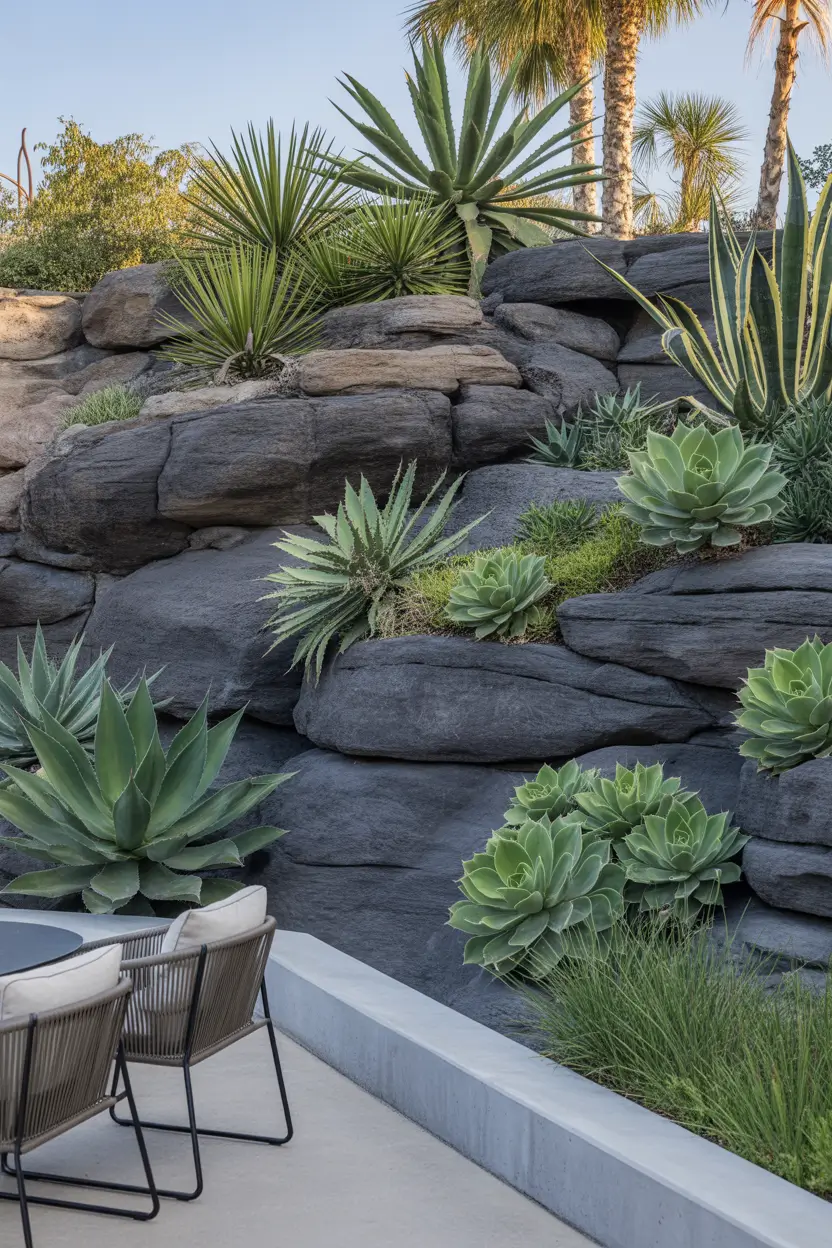
I select varieties such as agave, echeveria, and sedum, arranging them in layered Succulent rock compositions. Large rocks act as thermal regulators, while metal or concrete edging keeps the layout clean. I also add low-profile outdoor chairs and side tables for comfort without disturbing the visual flow.
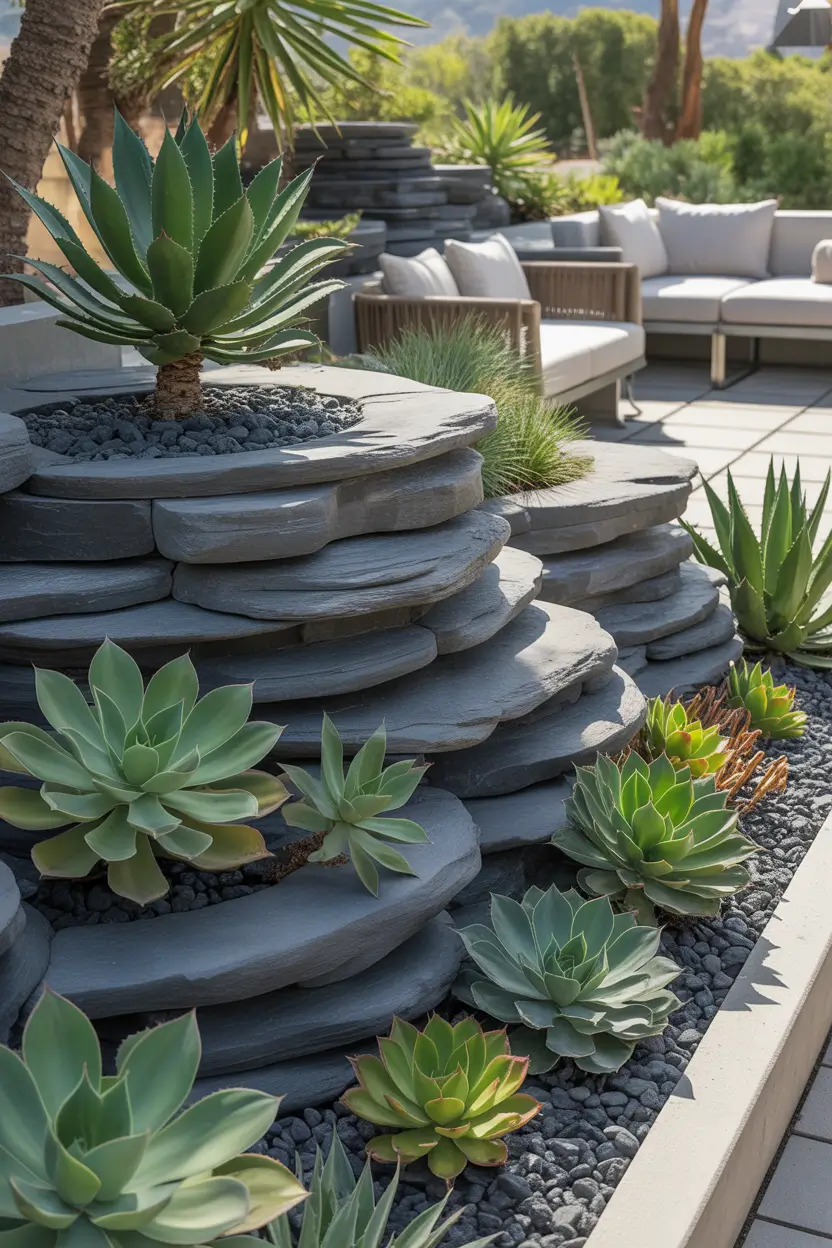
In my professional practice, this design is ideal for homeowners seeking low-water solutions. Experts from Better Homes and Gardens frequently recommend drought-resistant landscapes for long-term sustainability, and I have seen how this reduces maintenance costs significantly.
What I would still add is more shaded seating and solar-powered lighting to improve nighttime usability and seasonal comfort.
Pastel Rose Courtyard Garden
A Pastel Rose Courtyard Garden blends romantic charm with European and French country influences. I design this space around soft colors, curved pathways, and intimate seating areas. It works beautifully in enclosed patios or small urban Backyard spaces.
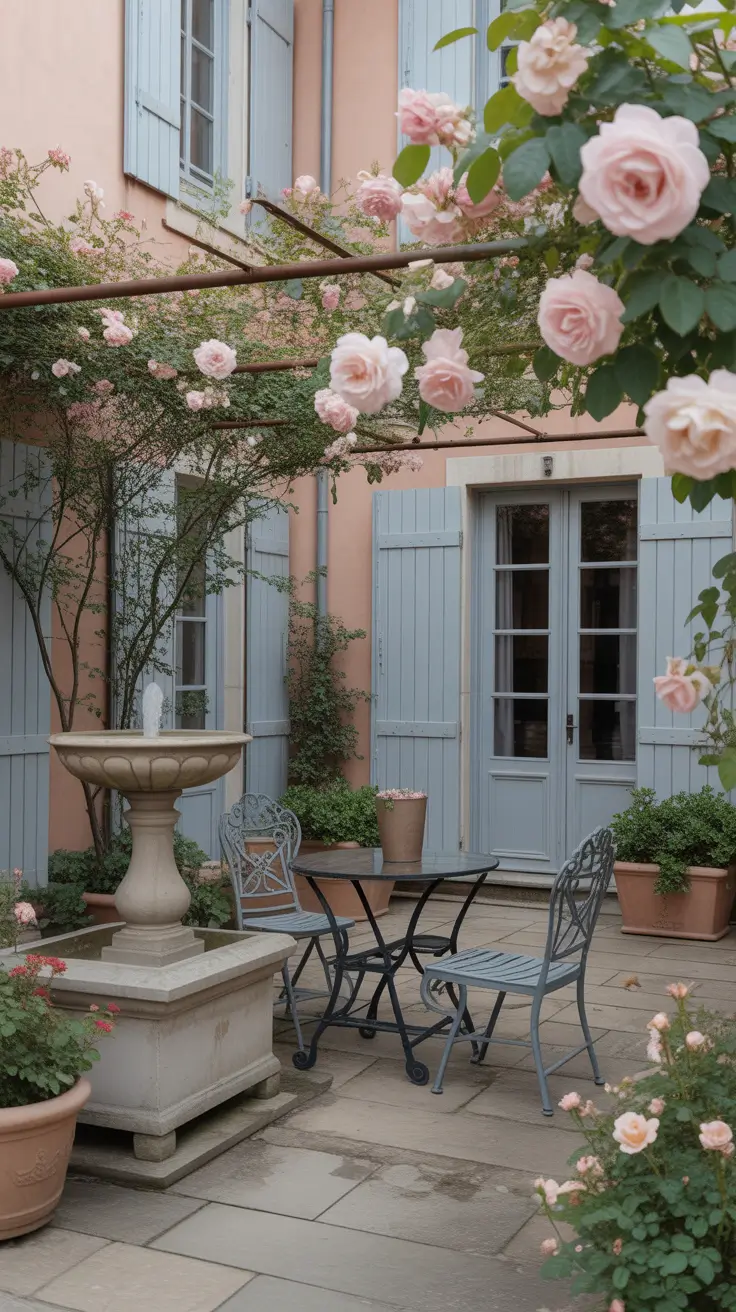
I incorporate climbing Rose varieties, wrought-iron furniture, stone fountains, and ceramic planters. Light-colored benches and café tables enhance the welcoming atmosphere. Seasonal Flower arrangements and decorative lanterns add warmth and visual interest.
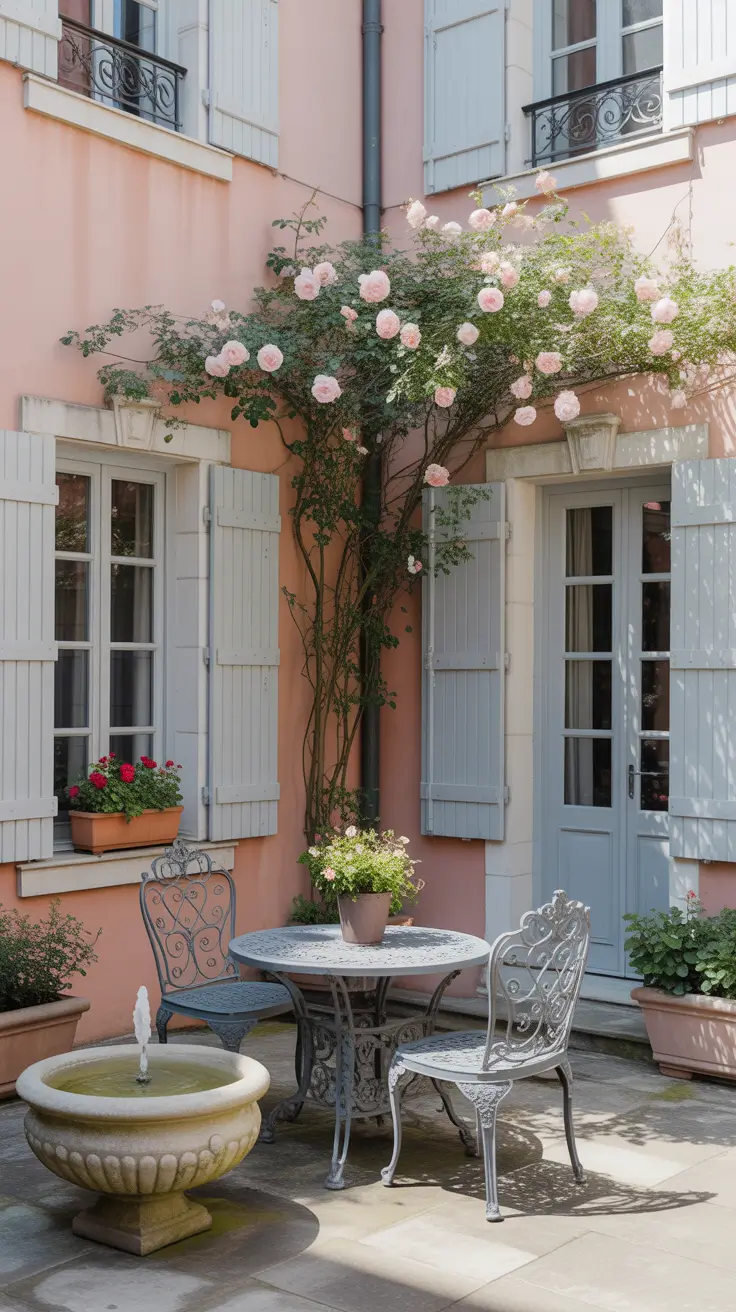
Personally, I find that this style creates emotional comfort. According to Martha Stewart Living, pastel gardens enhance relaxation and social interaction, and I have observed how clients naturally spend more time outdoors in such spaces.
To complete this area, I would add automatic drip irrigation and more storage for gardening tools to improve functionality.
Japanese Pond Garden With Maples
The Japanese Pond Garden with maples combines water features, Rock accents, and ornamental trees. I design these gardens to reflect balance, movement, and seasonal beauty. Koi ponds and stone bridges become focal points within the landscape.
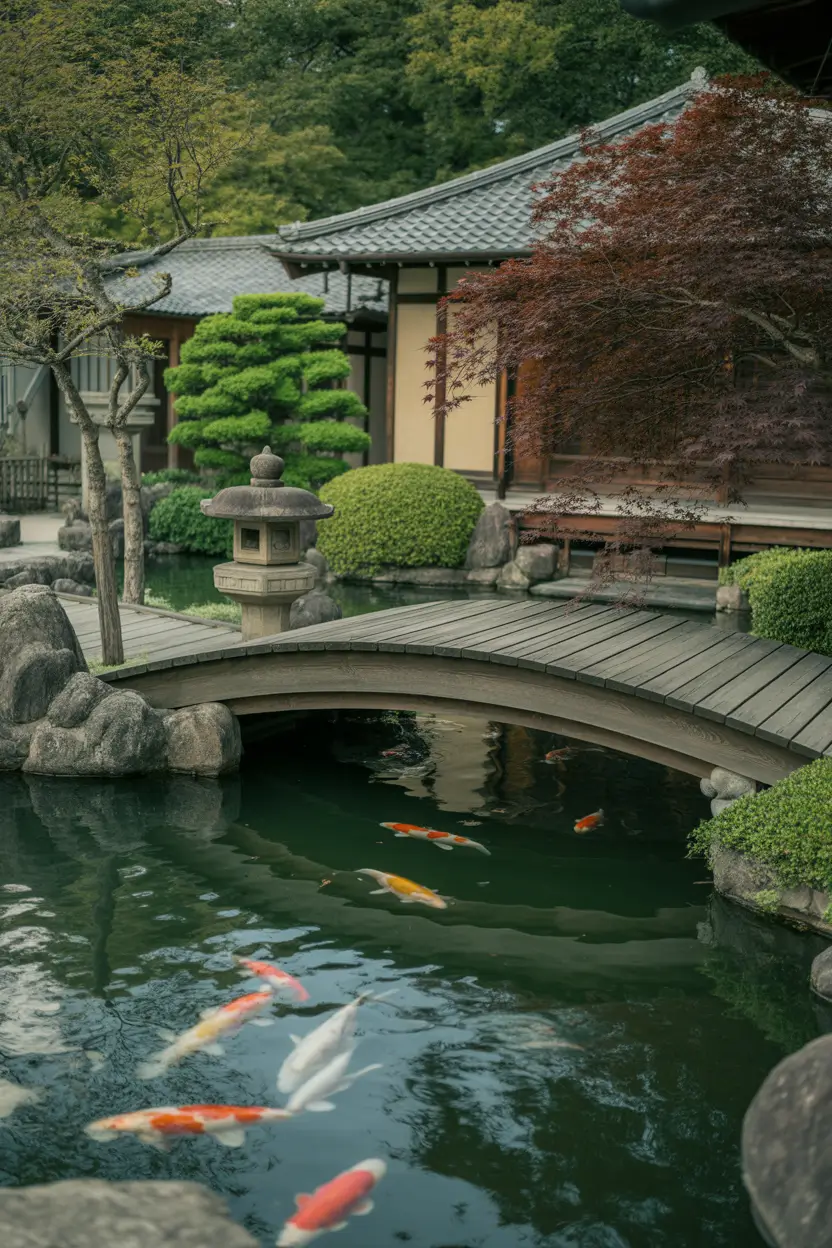
I use wooden walkways, curved benches, lanterns, and stone sculptures. Japanese maples provide shade and vibrant autumn color. The water system includes filters and aerators to maintain clarity and health.
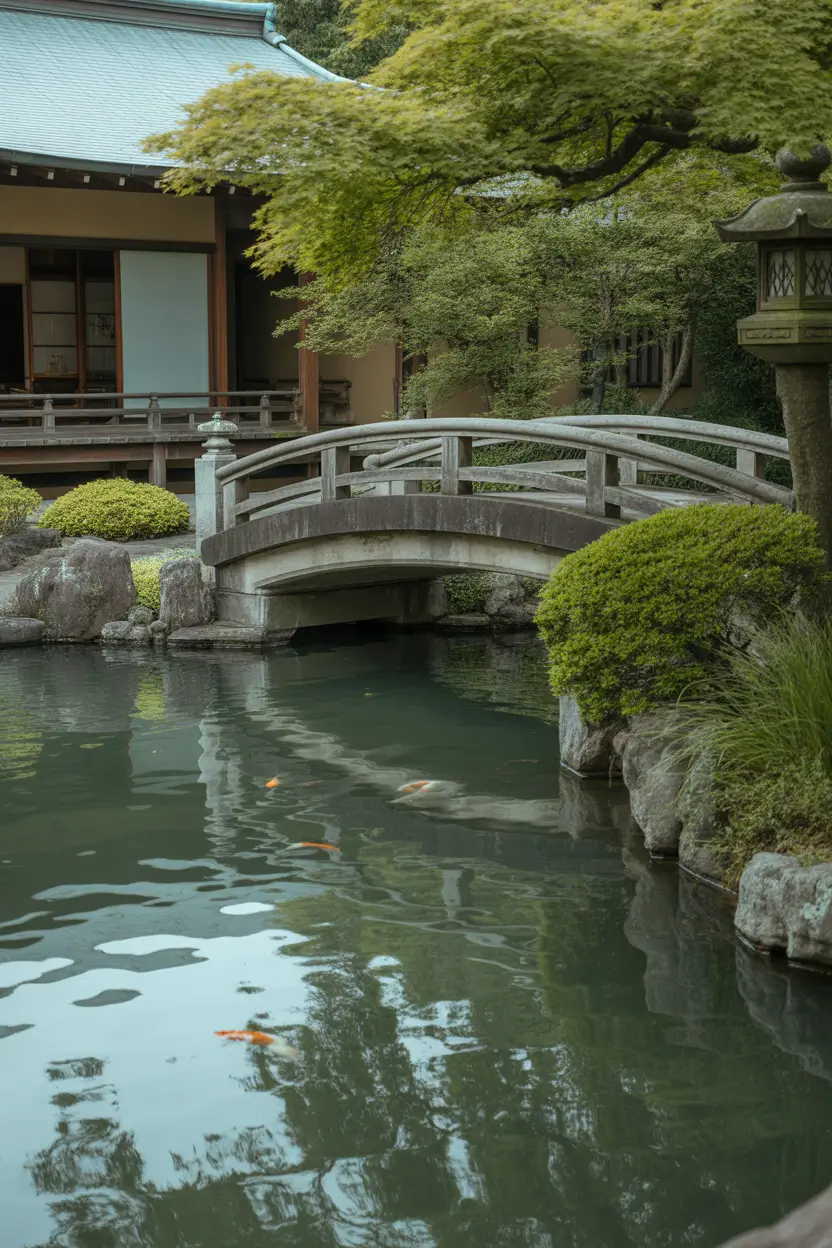
From experience, this layout creates a strong emotional connection to nature. Landscape Architecture Magazine often highlights water as a central calming element, and I consistently see positive reactions from homeowners who adopt this style.
I would recommend adding safety railings and child-friendly barriers if the garden is used by families.
Desert Garden With Cactus Lines
A Desert Garden with cactus lines emphasizes geometry and resilience. I arrange plants in linear patterns using gravel beds and raised concrete borders. This modern interpretation fits perfectly with contemporary Design principles.
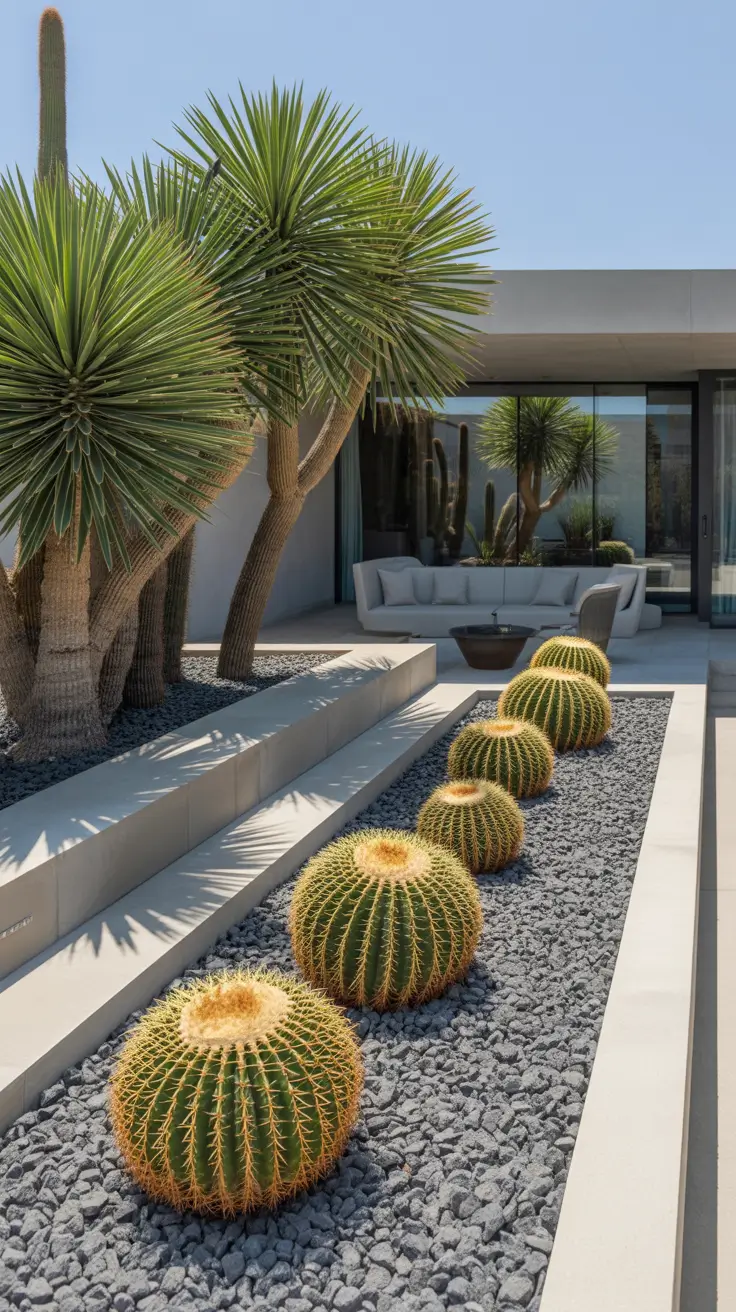
I select tall cacti, yucca, and ornamental grasses, pairing them with minimalist seating and steel planters. Light-colored stones reflect sunlight and reduce heat absorption, improving plant health.
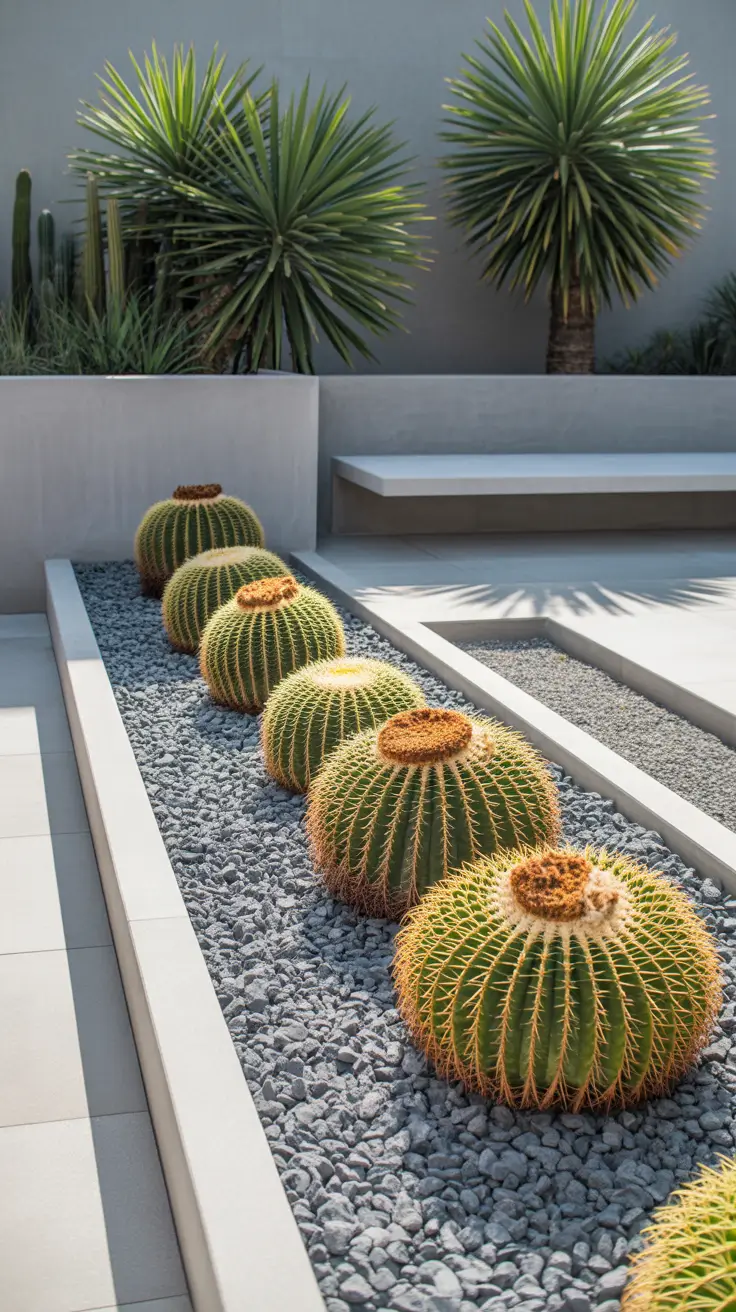
In my opinion, this design offers unmatched efficiency. HGTV landscaping experts regularly promote structured desert gardens for their durability, and I agree based on long-term client feedback.
What I would add is a misting system and shaded lounge areas to improve comfort during extreme heat.
Lavender Pathway Garden
A Lavender Pathway Garden blends English and European traditions into a fragrant walking experience. I design narrow stone paths bordered by lavender hedges and companion plants. This style suits transitional zones between house and garden.
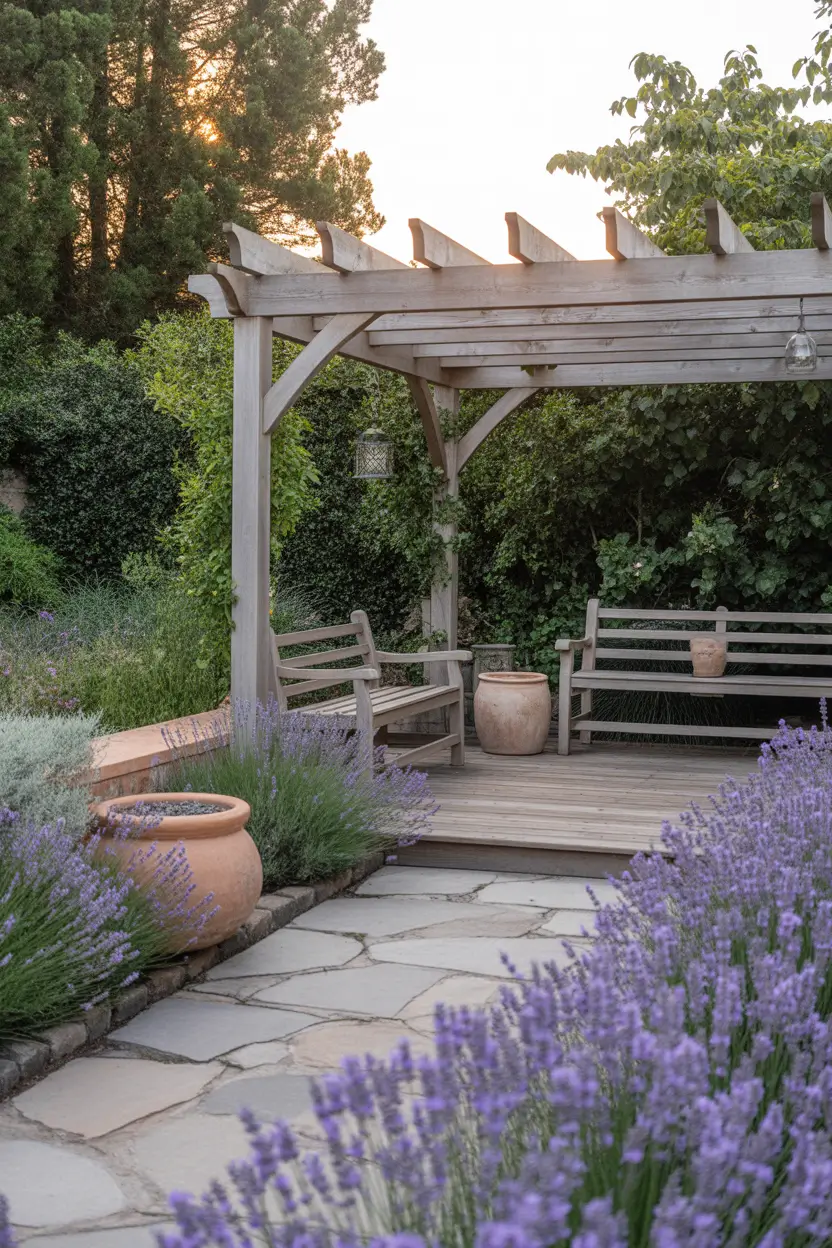
I include wooden pergolas, benches, ceramic pots, and subtle lighting. Lavender attracts pollinators and reduces pests naturally. Gravel underlay ensures proper drainage.
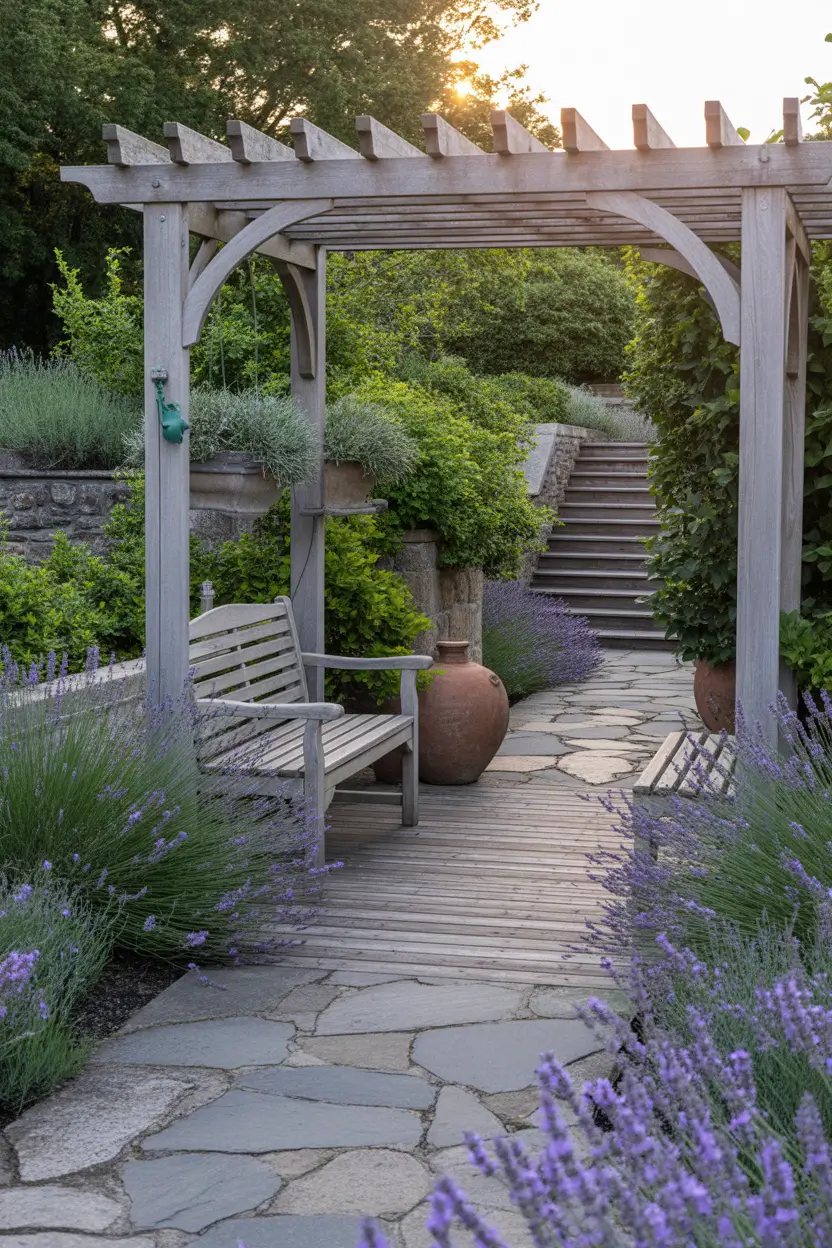
I have found this design especially popular among clients seeking sensory gardens. Garden Design Magazine highlights lavender for its therapeutic qualities, which I regularly witness in practice.
To enhance this space, I would integrate seating niches and water stations for longer walks and relaxation.
Wildflower Meadow Backyard
A Wild flower Meadow Backyard embraces natural growth patterns and biodiversity. I design these spaces to look organic while remaining controlled and accessible. This approach supports pollinators and improves soil health.
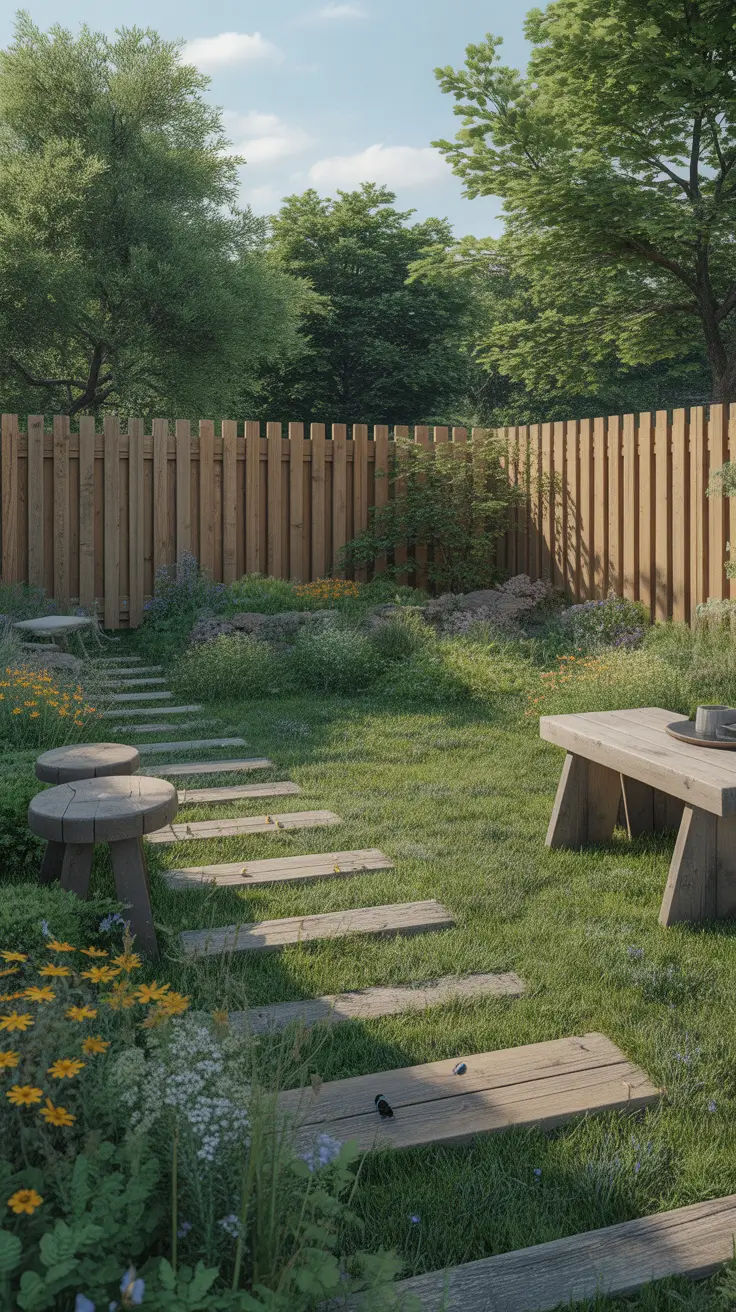
I use native seeds, wooden pathways, rustic benches, and natural fencing. Small observation decks allow users to enjoy seasonal changes. Minimal hardscaping keeps the focus on vegetation.
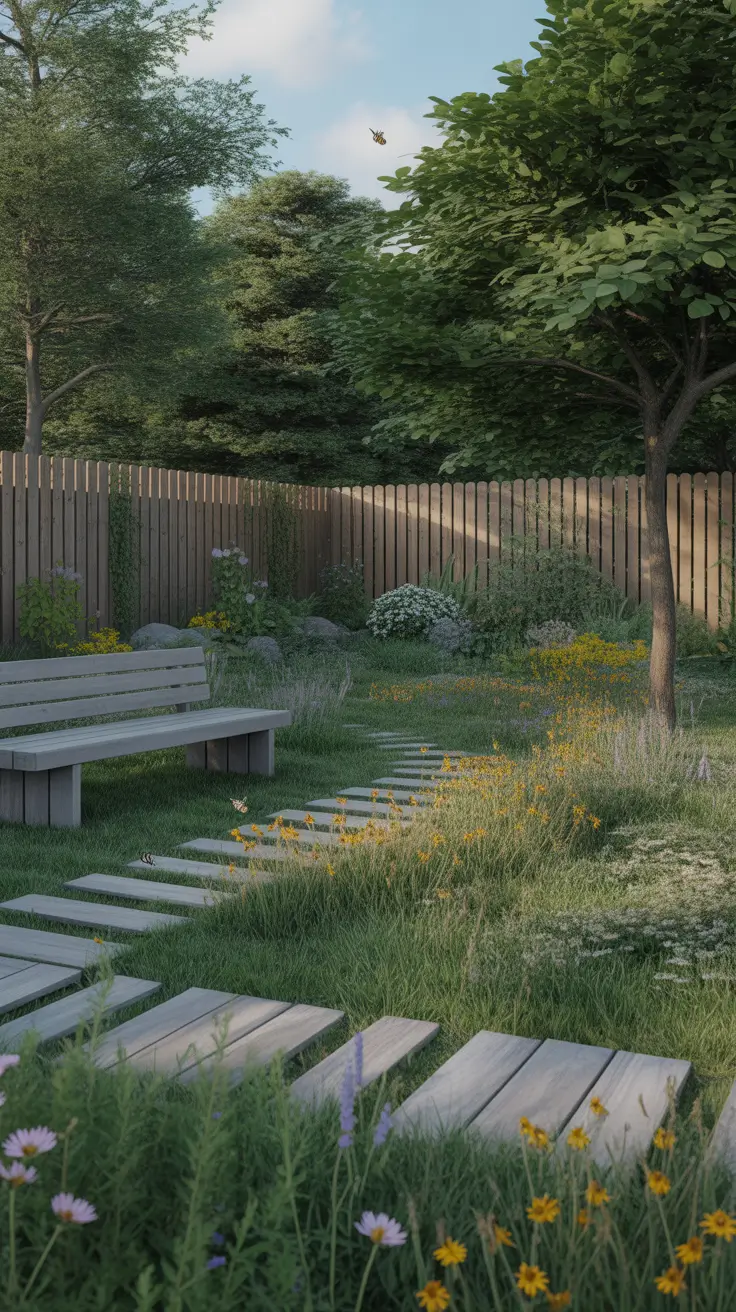
From my experience, this garden style creates strong emotional and environmental value. National Geographic often promotes meadow landscaping for ecological balance, and I fully support this philosophy.
To improve this design, I would add interpretive signs and maintenance zones to manage growth more efficiently.
French Country Stone Garden
I design a French country stone garden as a refined yet welcoming Outdoor space inspired by rural European landscapes. In garden landscaping 2026, this style continues to grow because it balances structure and softness. I typically organize the layout around gravel courtyards, aged stone walls, and symmetrical planting beds that feel timeless rather than trendy. This concept works beautifully in both Front yards and intimate courtyard settings.
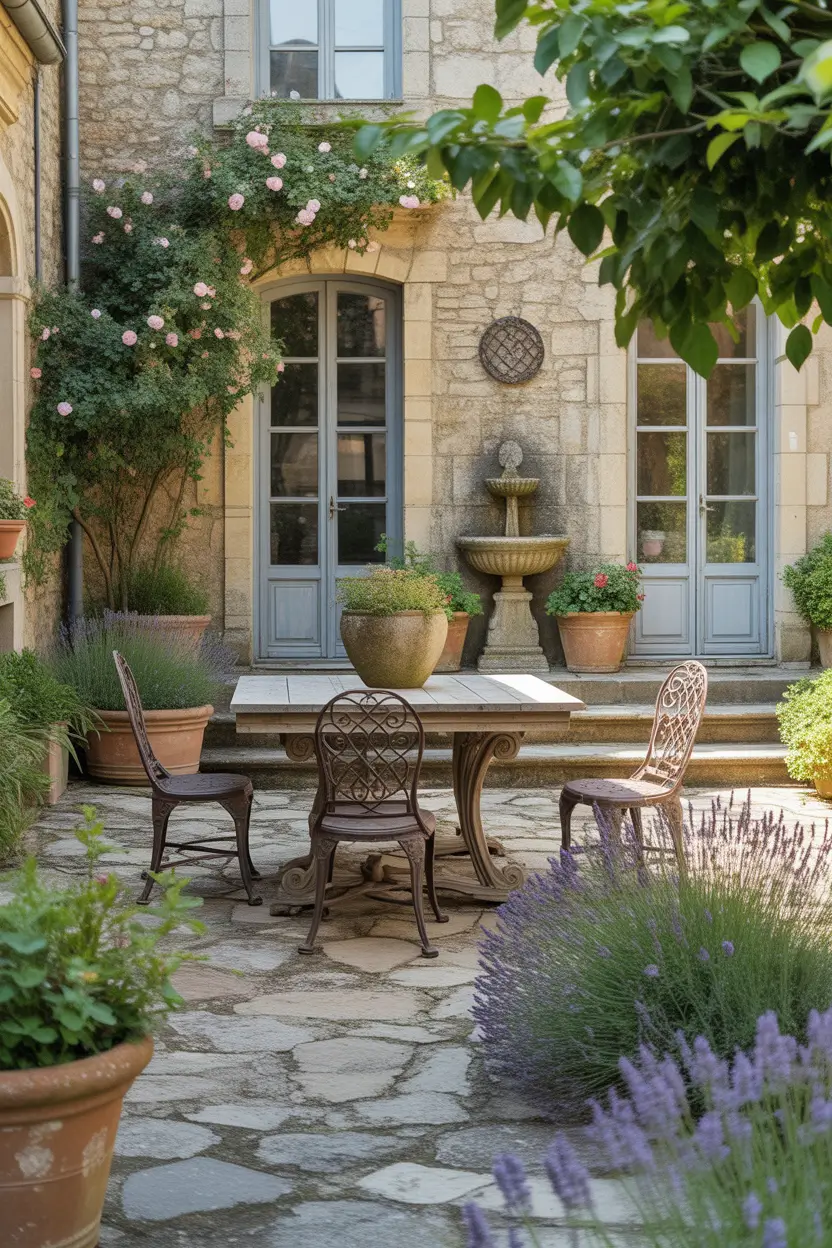
I include natural limestone paving, wrought-iron seating, distressed wooden tables, and terracotta planters. Climbing Rose bushes, soft Lavender borders, and seasonal Flower beds bring fragrance and color. A central stone fountain often becomes the focal point, adding gentle sound and movement. Each material is selected for durability and patina, ensuring the space ages gracefully instead of looking worn.
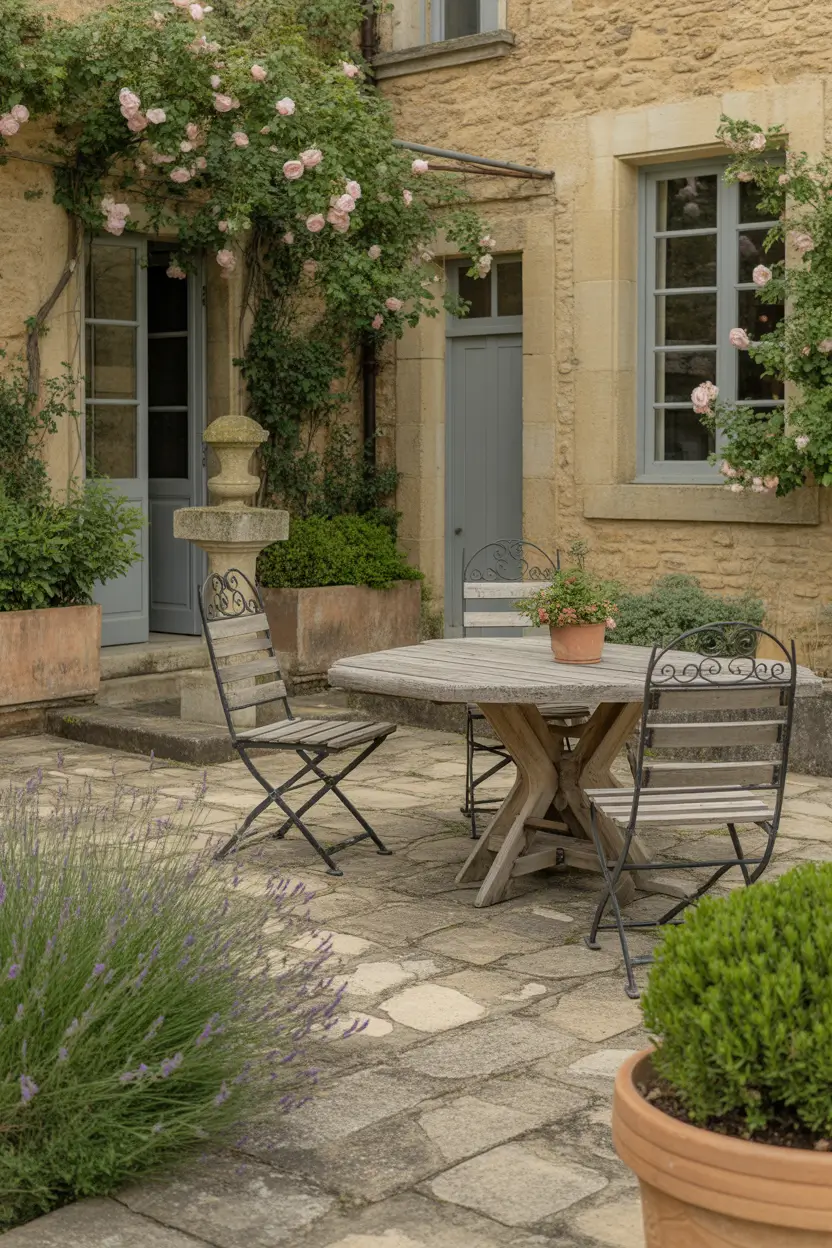
In my professional experience, this garden style encourages outdoor dining and slow living. Many designers featured in Veranda Magazine emphasize authenticity in materials, and I strongly agree with that principle. I have seen how reclaimed stone and rustic finishes create emotional warmth that manufactured materials rarely achieve.
To complete this design, I would add concealed irrigation systems and subtle pathway lighting to extend usability into the evening while preserving the romantic atmosphere.
Modern Concrete And Grass Garden
A Modern Concrete and Grass Garden represents the minimalist direction of Design in garden landscaping 2026. I create strong geometric layouts using concrete slabs separated by clean grass lines. This style suits contemporary architecture and structured Backyard spaces, offering clarity and functionality.
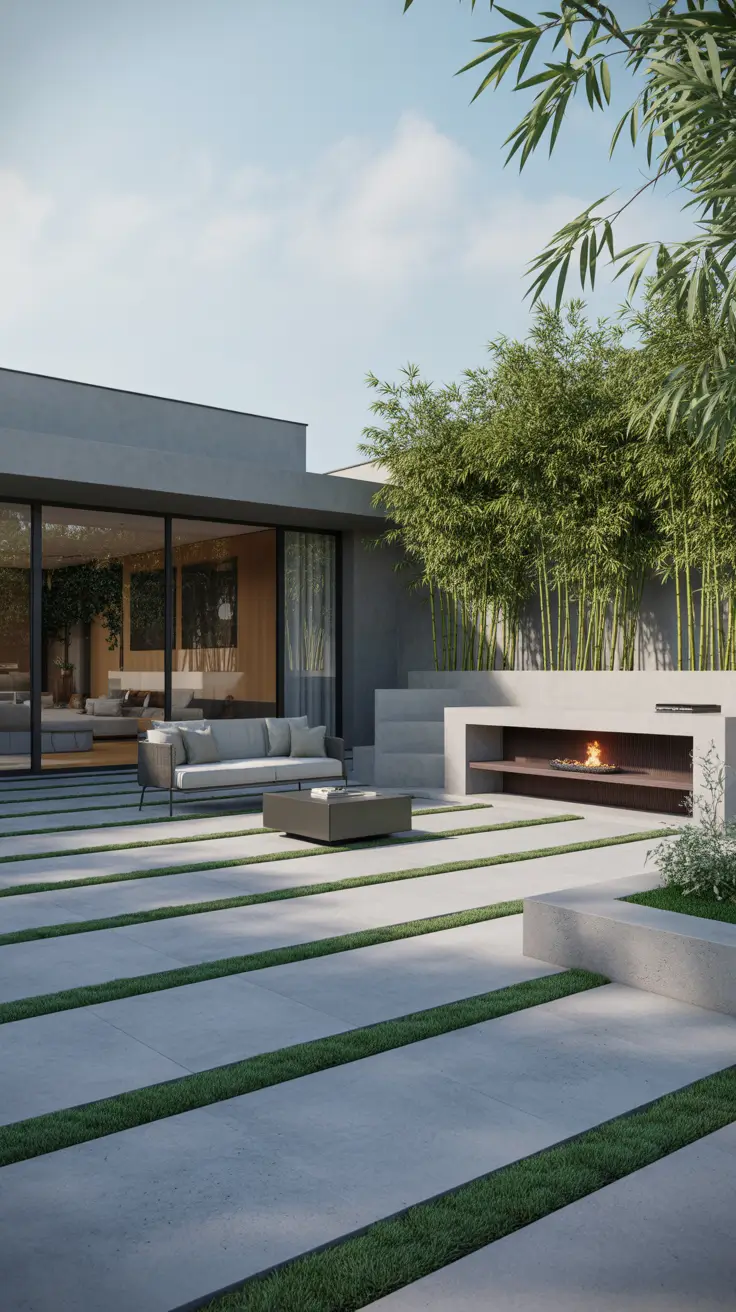
I carefully position modular outdoor sofas, low-profile fire pits, built-in benches, and integrated planters. Concrete provides durability and low maintenance, while grass softens the visual effect. I often incorporate sculptural trees or Bamboo accents to break up rigid lines. The balance between hardscape and greenery is essential for comfort and usability.
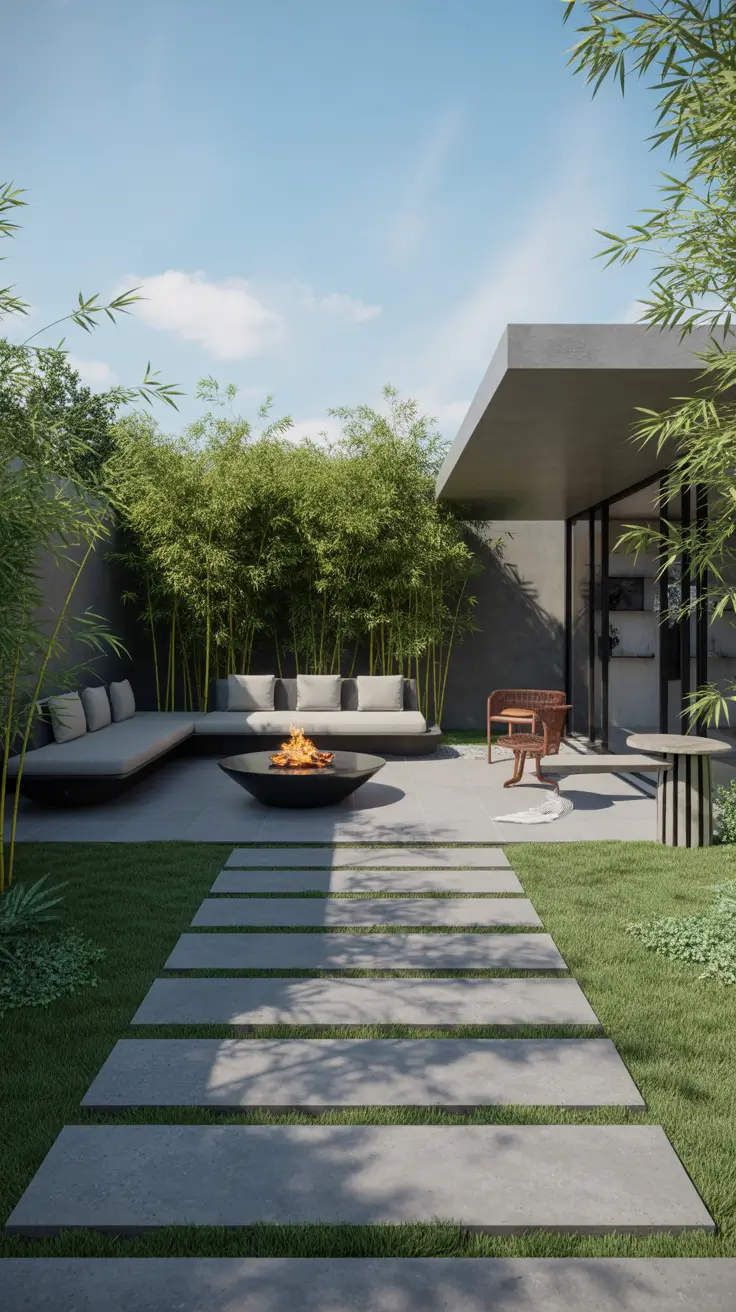
From my perspective, this layout is ideal for entertaining. Architectural Digest frequently highlights the importance of outdoor rooms that mirror indoor living spaces, and I follow this philosophy by creating defined seating and dining zones. Clients appreciate how easily this garden transitions from relaxation space to social gathering area.
To improve this concept, I would integrate permeable concrete solutions and advanced drainage systems to manage Rain effectively and ensure long-term sustainability.
English Cottage Flower Garden
The English Cottage Flower Garden remains one of the most Beautiful and emotionally engaging styles in garden landscaping 2026. I design this type of garden with layered planting, curved paths, and abundant blooms. It is ideal for homeowners who appreciate traditional charm with a slightly untamed character.
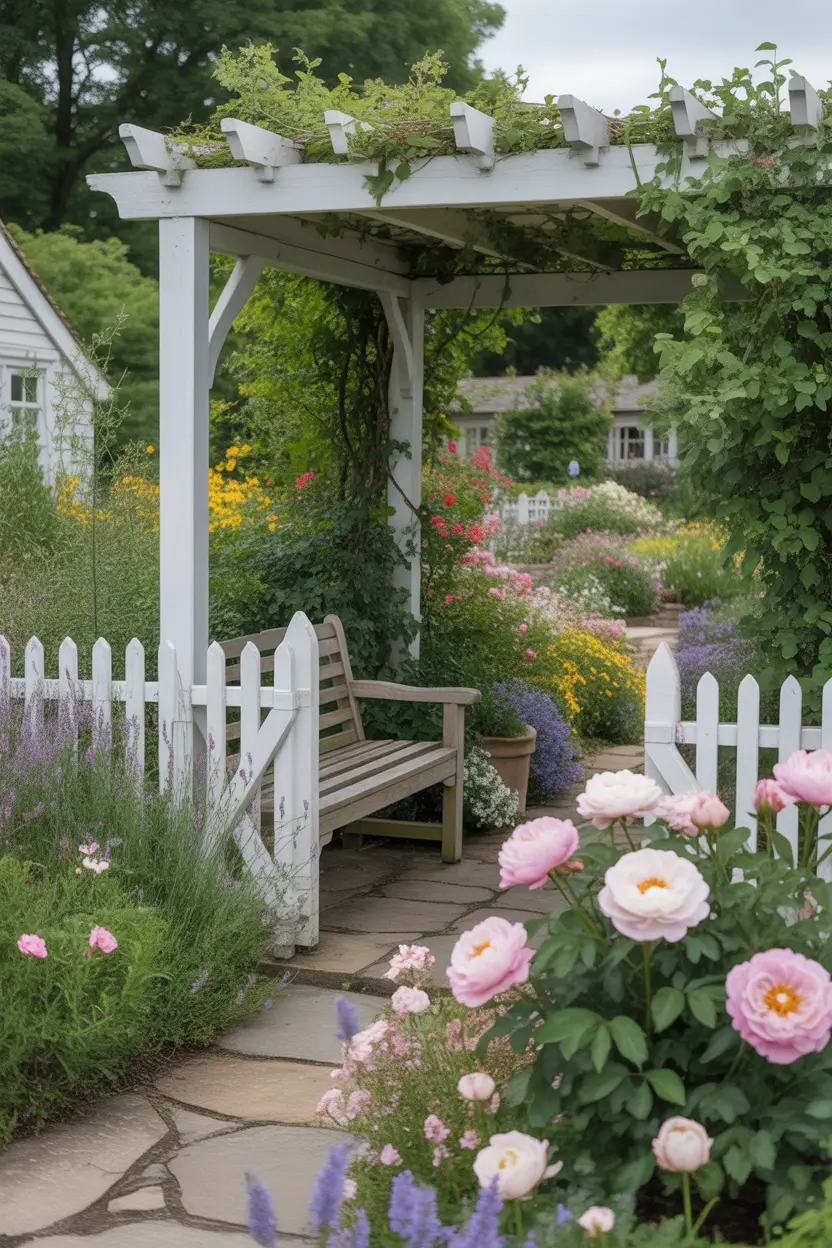
I combine Peony, Rose, Lavender, and seasonal Wild flower clusters to create continuous color throughout the year. Wooden benches, white picket fences, and climbing trellises add vertical interest. Stone pathways guide visitors gently through the garden while maintaining accessibility and structure.
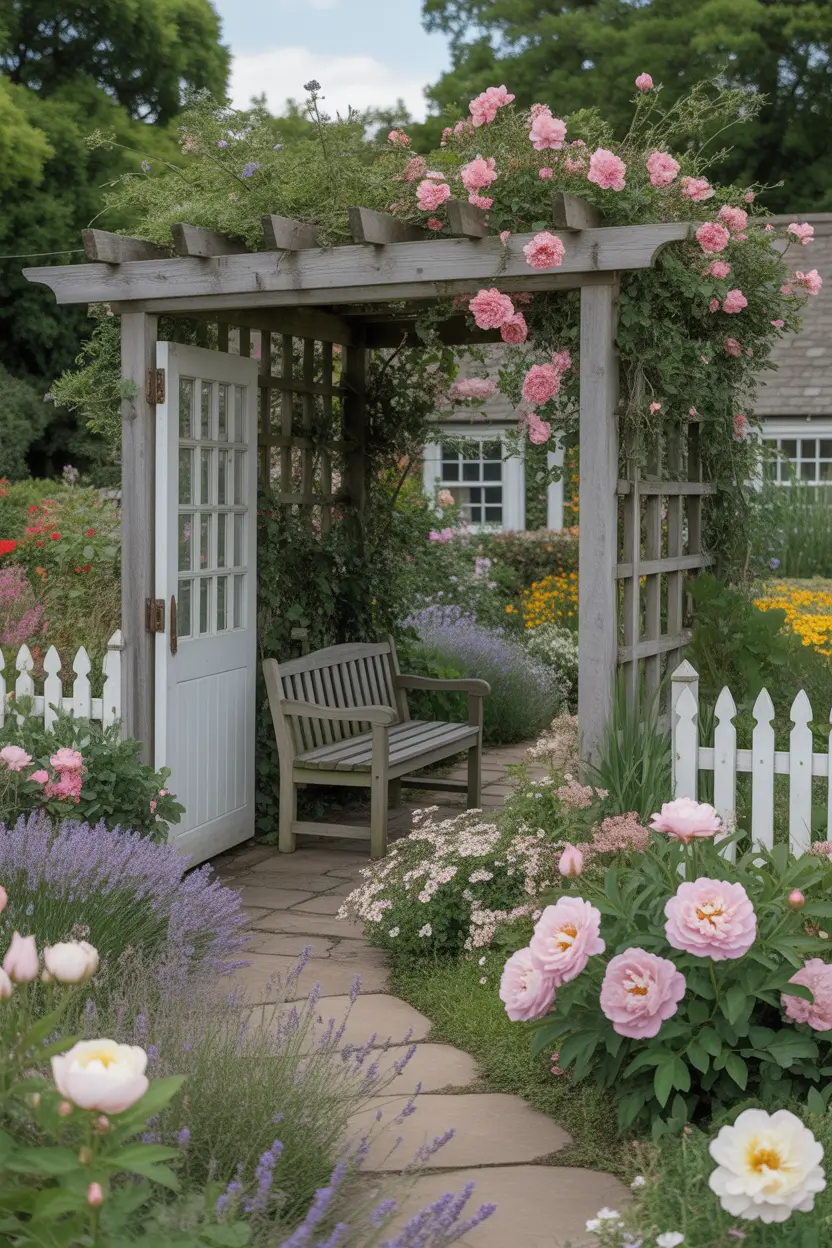
Personally, I believe this style connects people to nostalgia and comfort. Better Homes and Gardens often recommends layering perennials for long-lasting visual impact, and I consistently apply this principle. I have observed that mixing heights and bloom times prevents the garden from looking flat or monotonous.
To enhance practicality, I would add defined maintenance paths and a small storage shed designed in matching cottage style to keep tools organized and discreet.
Tropical Green Bamboo Garden
A Tropical Green Bamboo Garden introduces lush density and privacy into modern Outdoor planning. In garden landscaping 2026, privacy solutions are essential, and vertical greenery provides both function and beauty. I design this garden with layered foliage and natural shading to create a cooling microclimate.
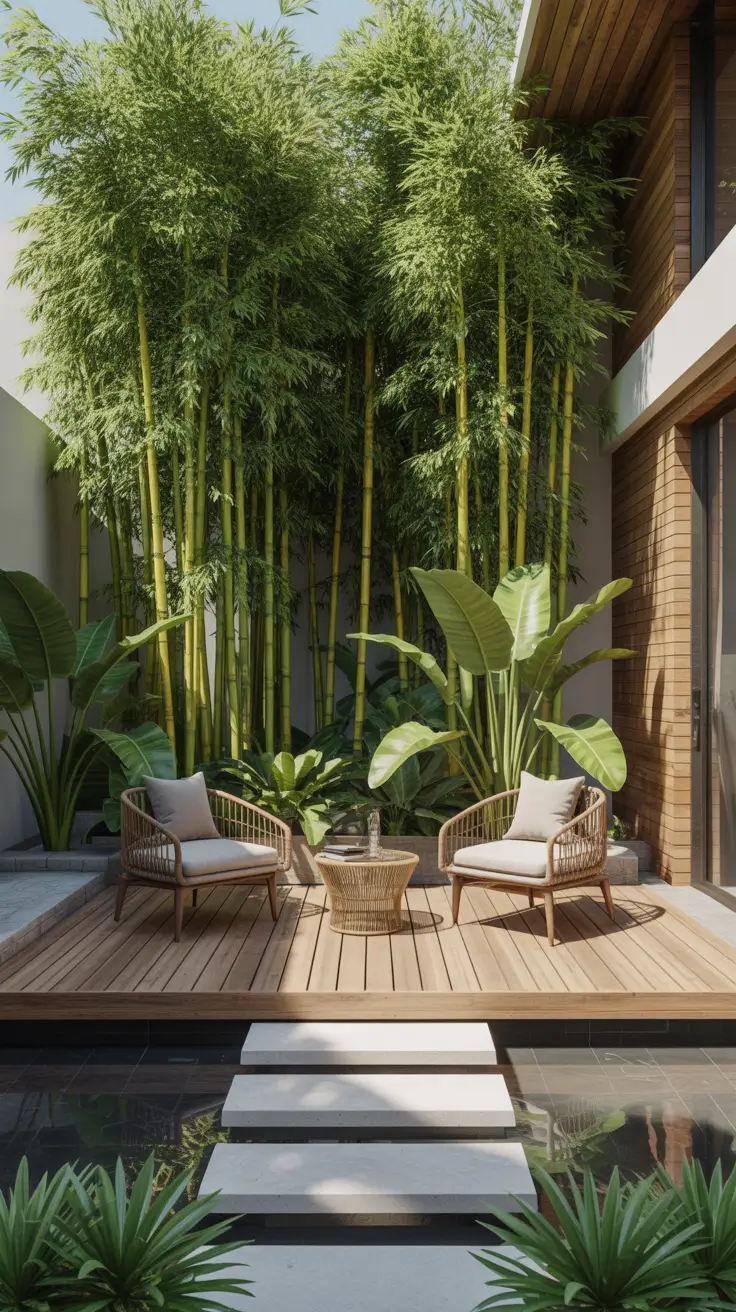
I select clumping Bamboo, large-leaf tropical plants, wooden decking, and rattan lounge furniture. Water features and natural stone accents contribute to the immersive atmosphere. Strategic lighting enhances the rich green tones at night while maintaining safety along pathways.
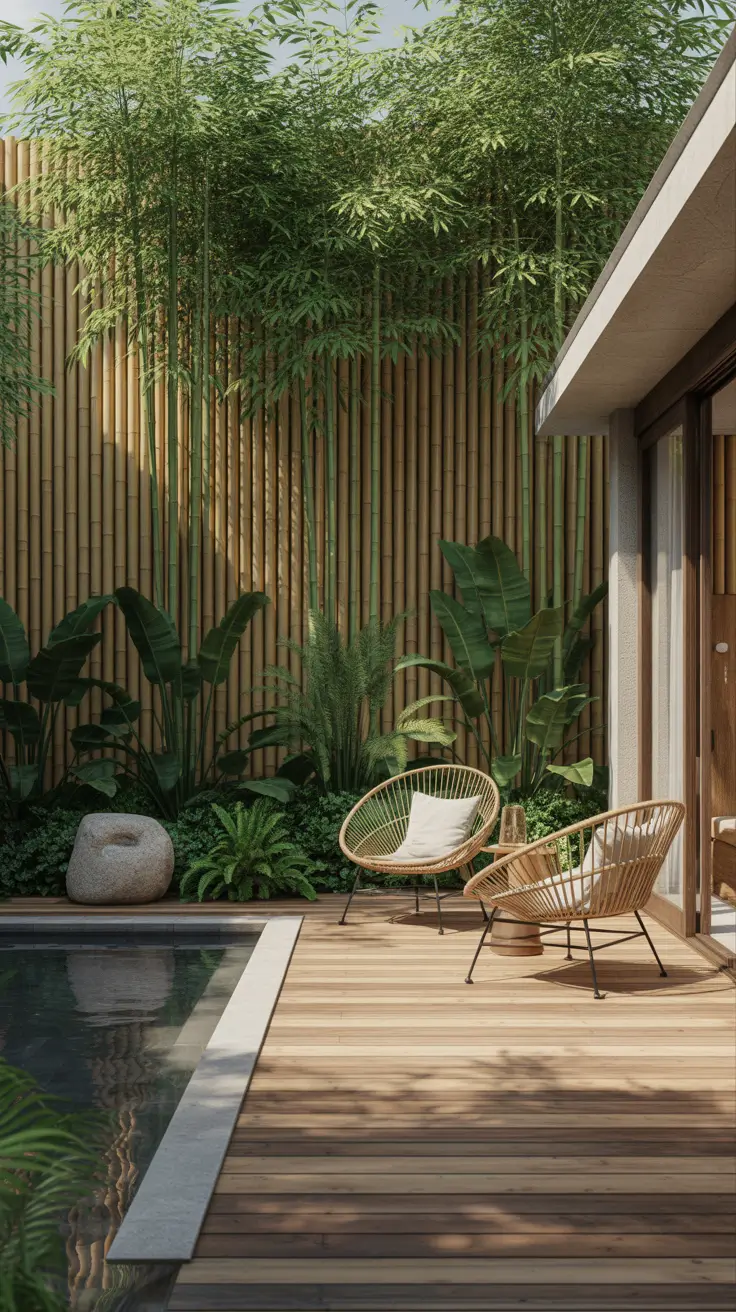
In my experience, this style works exceptionally well in urban settings where visual screening is needed. Landscape architects featured in Dwell Magazine often discuss biophilic design, and I fully support integrating dense greenery to improve wellbeing.
To make the space even more functional, I would include moisture sensors and proper root barriers to prevent uncontrolled spreading and maintain long-term structure.
Peony Garden With Soft Borders
A Peony Garden with soft borders focuses on elegance and seasonal drama. I design these gardens to showcase structured planting beds with flowing edges that soften transitions between lawn and pathways. This style aligns with both European and modern interpretations of romantic landscaping.
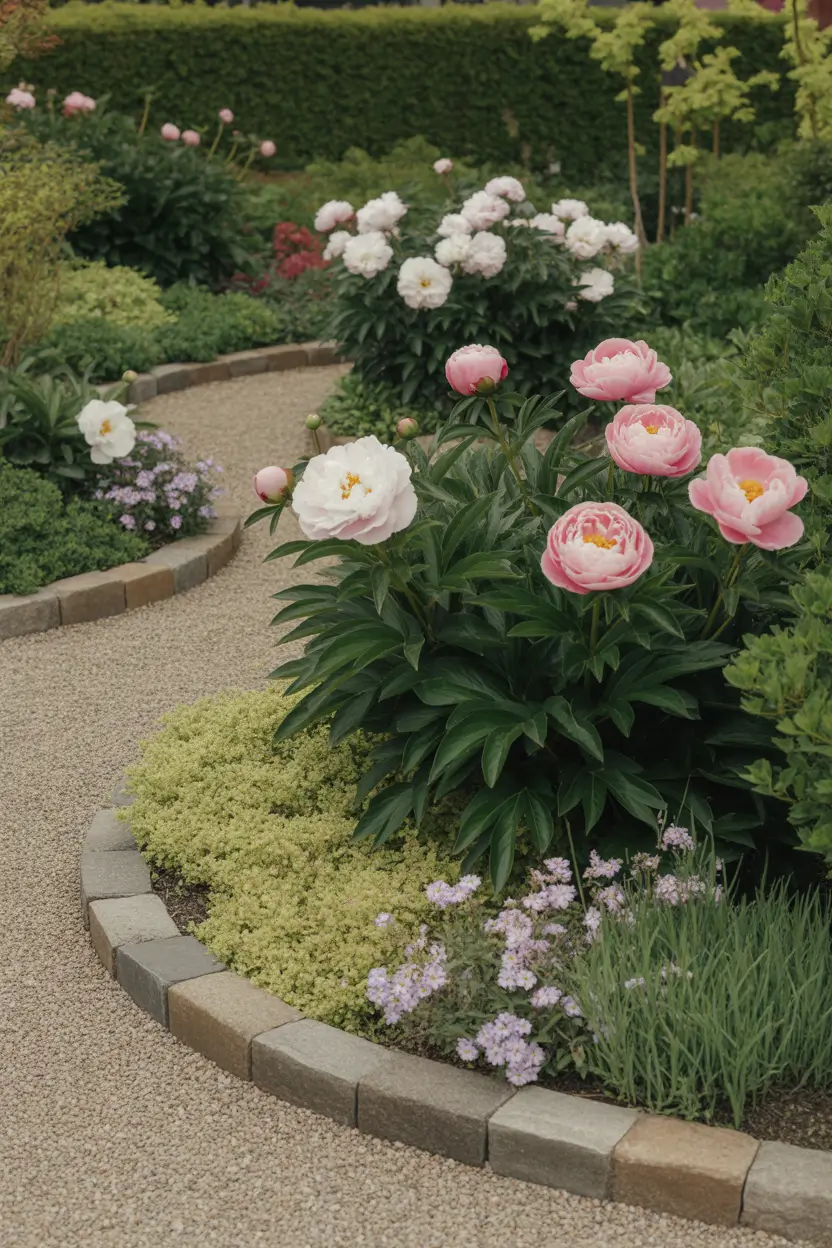
I include clusters of Peony, complementary shrubs, low hedges, and decorative stone edging. Light gravel paths and subtle seating areas allow visitors to fully enjoy the blooms. I often integrate pastel-toned perennials to support the peony flowering cycle and maintain visual interest.
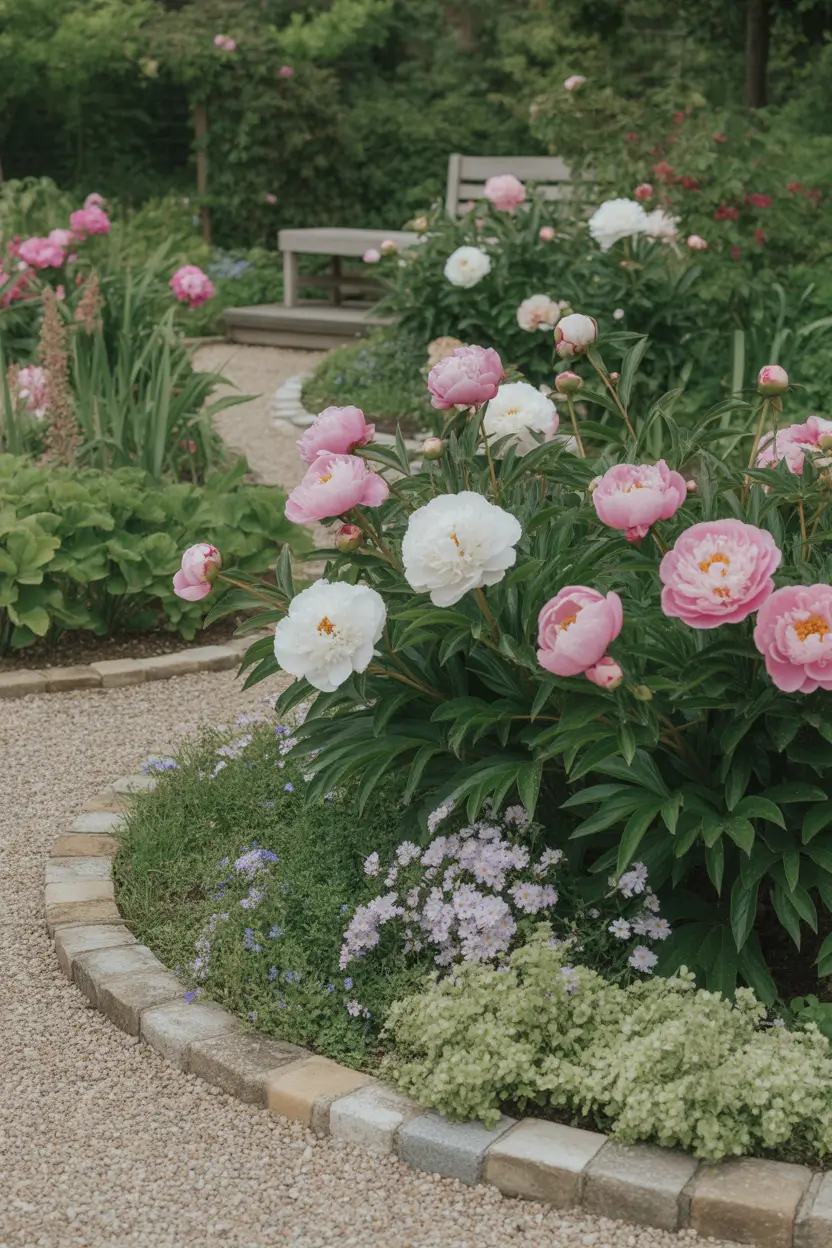
From my professional standpoint, peonies create strong focal moments in late spring. Garden experts in Southern Living frequently emphasize investing in quality soil preparation for flowering gardens, and I always prioritize this step. Healthy soil ensures vibrant blooms and long-term plant vitality.
What I would add to this design is an extended bloom calendar plan, incorporating early and late flowering varieties to lengthen the seasonal impact.
Rain Garden With Native Plants
A Rain Garden with native plants is a sustainable highlight of garden landscaping 2026. I design these gardens to manage stormwater efficiently while maintaining aesthetic appeal. Slight depressions in the landscape collect runoff, allowing water to filter naturally into the soil.
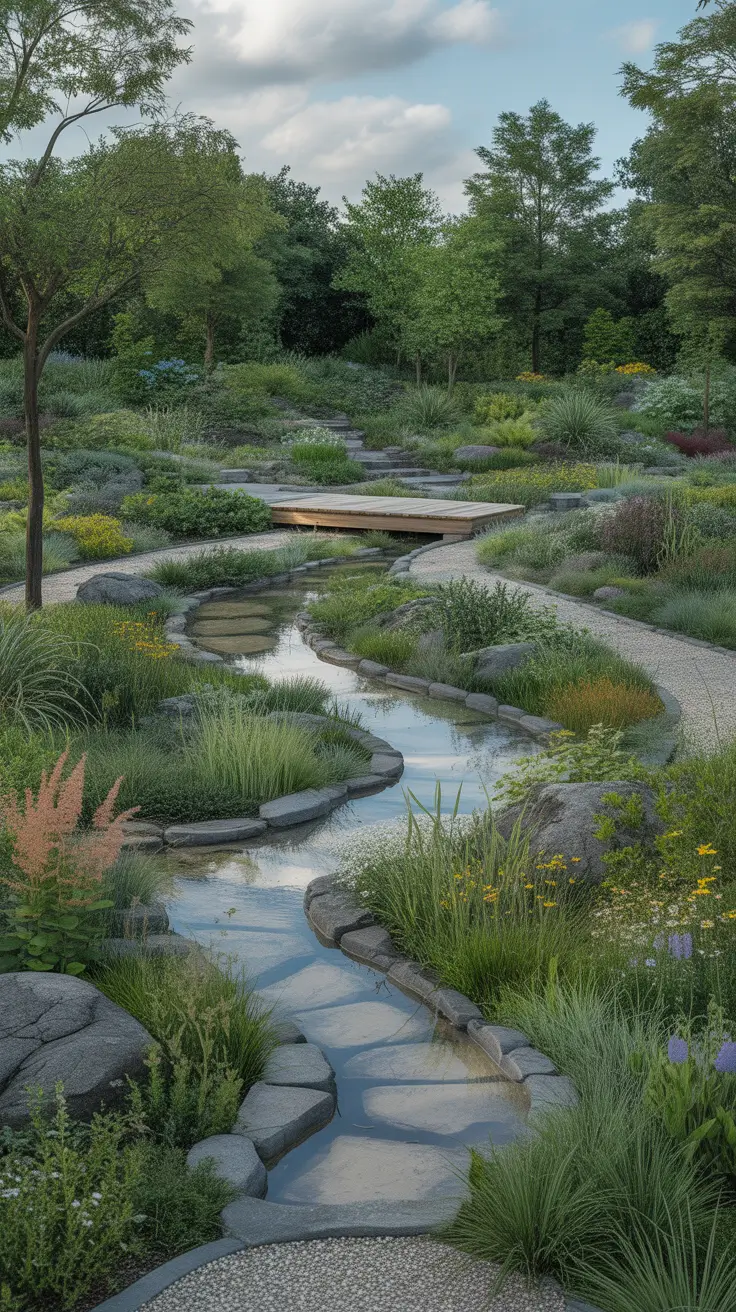
I use native grasses, flowering perennials, decorative Rock beds, and permeable pathways. Wooden bridges or stepping stones provide access without compacting soil. This ecological approach reduces flooding and supports biodiversity in both Front and Backyard environments.
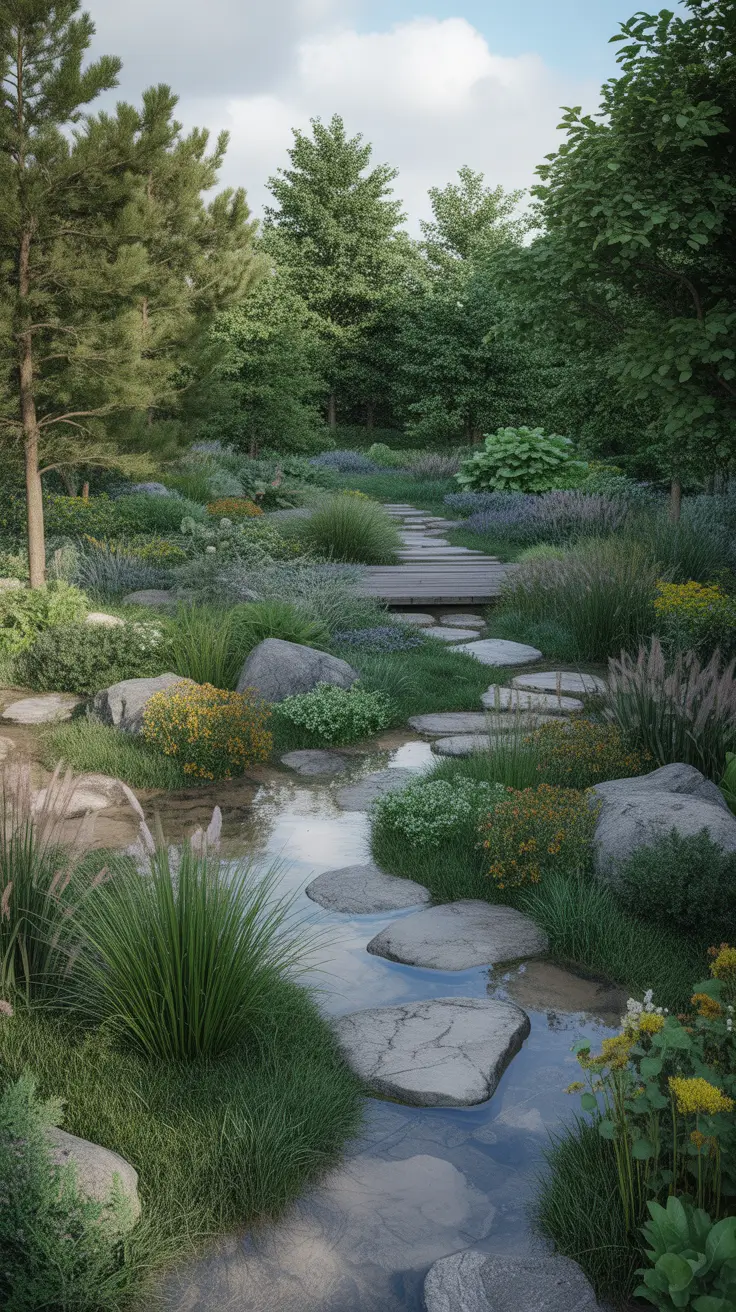
In my opinion, this is one of the most responsible landscape investments. The Environmental Protection Agency regularly promotes rain gardens for water conservation, and I have seen firsthand how they improve drainage and reduce erosion.
To strengthen this section, I would integrate educational signage and maintenance guidance to help homeowners understand seasonal care requirements.
Farmhouse Garden With Wooden Fences
The Farmhouse Garden with wooden fences reflects rustic comfort and practicality. In garden landscaping 2026, this style merges tradition with updated functionality. I design wide planting beds, gravel paths, and open lawn areas framed by painted wooden fencing.
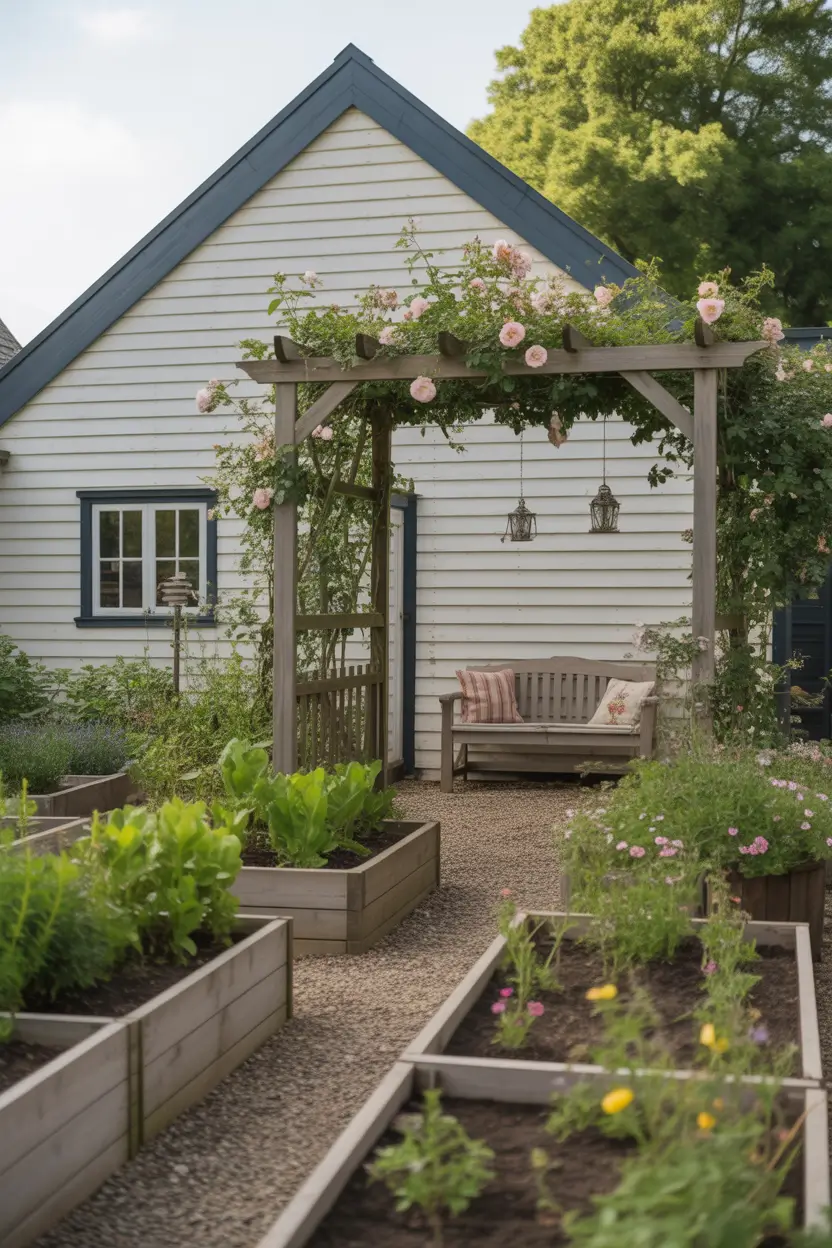
I incorporate raised vegetable beds, climbing Rose trellises, rustic benches, and lantern lighting. Weathered wood textures create warmth, while mixed Flower borders add softness. This layout supports both decorative and edible gardening, making it versatile and family-friendly.
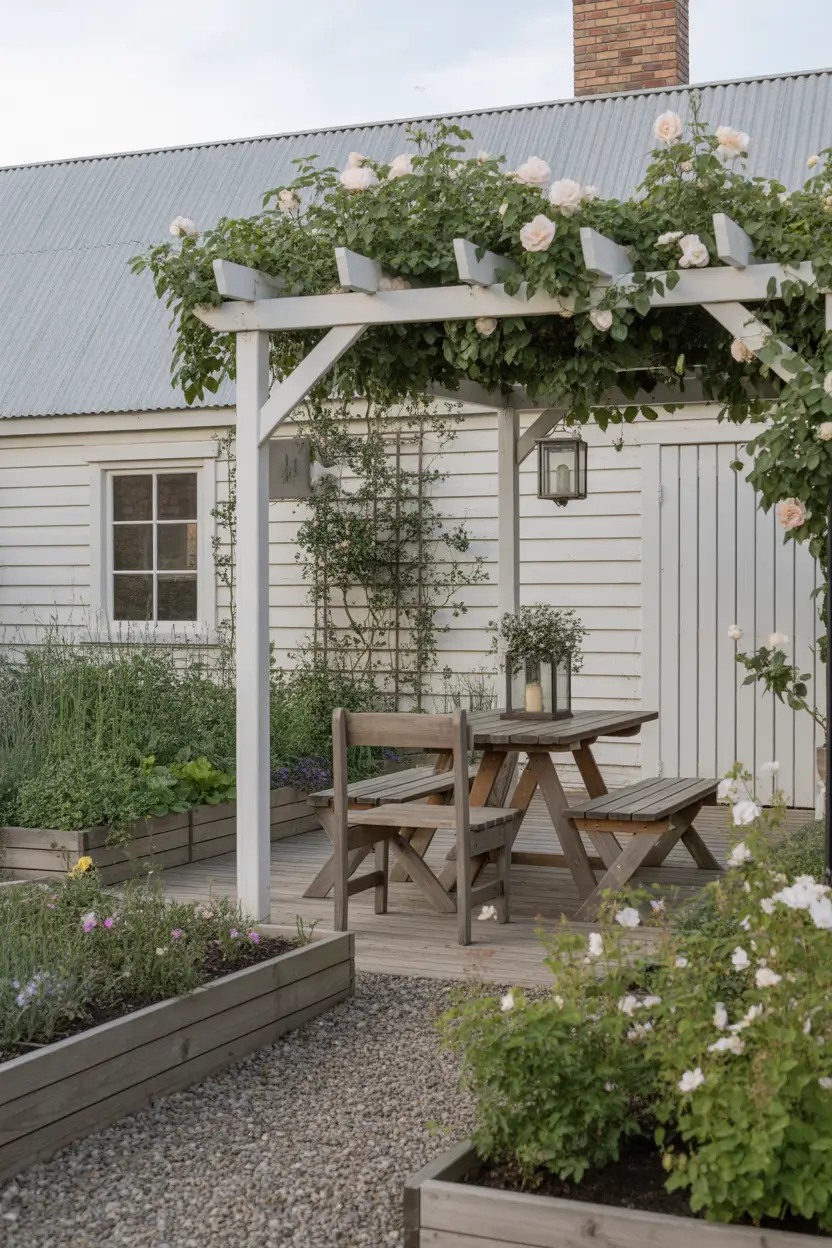
Personally, I find farmhouse gardens extremely adaptable. Country Living Magazine often highlights the value of mixing ornamental and productive plants, and I strongly agree. I have implemented kitchen gardens within ornamental spaces, and clients appreciate the practicality.
To refine the concept further, I would add a covered seating porch and integrated storage for tools and seasonal decor to enhance everyday usability.
Mediterranean Gravel Garden
I approach the Mediterranean gravel garden as a balanced combination of Desert resilience and relaxed elegance. In garden landscaping 2026, this style emphasizes Dry-tolerant plants, mineral textures, and open layouts that reduce water consumption while maintaining visual richness. I usually design these gardens with wide gravel paths, limestone borders, and sunlit seating zones that create a welcoming Front and Backyard atmosphere.
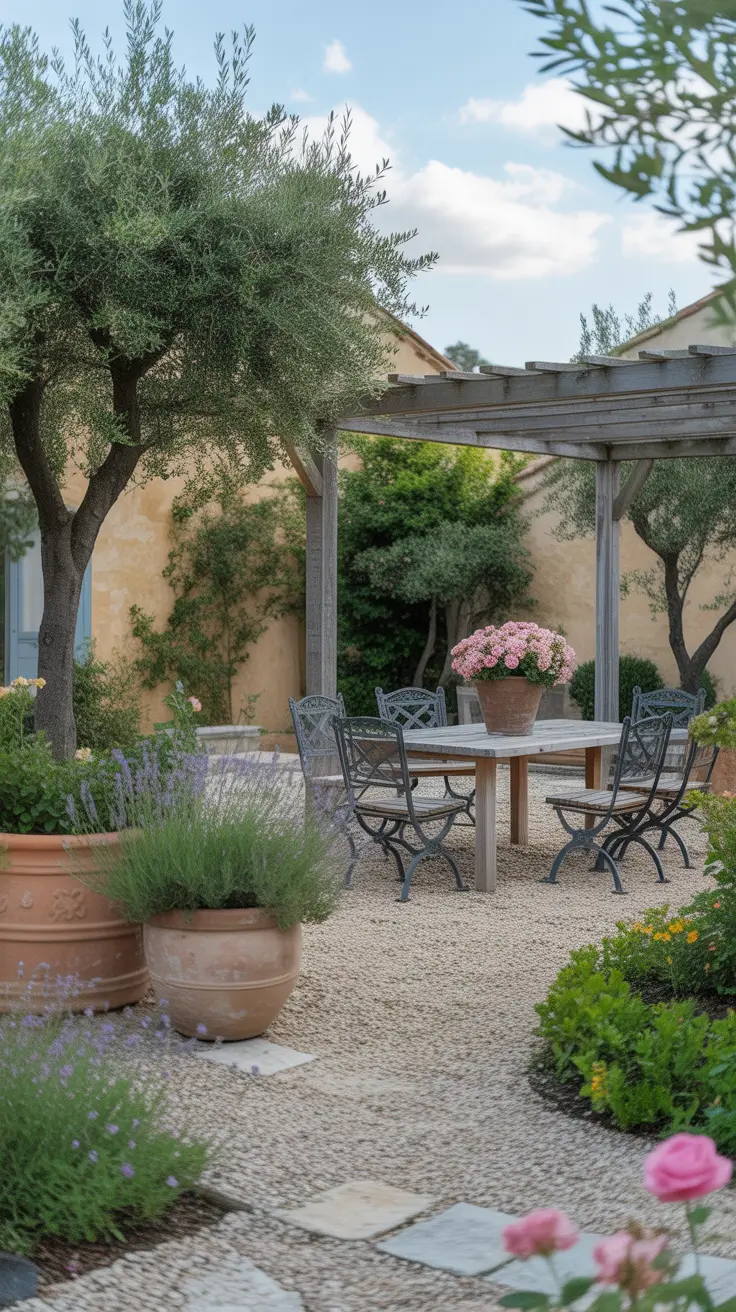
When selecting materials, I focus on natural stone, ceramic pots, and wrought-iron furniture inspired by European and French country traditions. I often integrate olive trees, Lavender, and climbing Rose varieties, supported by pergolas. Low wooden benches, mosaic tables, and terracotta planters reinforce the Mediterranean identity while remaining practical for everyday use.
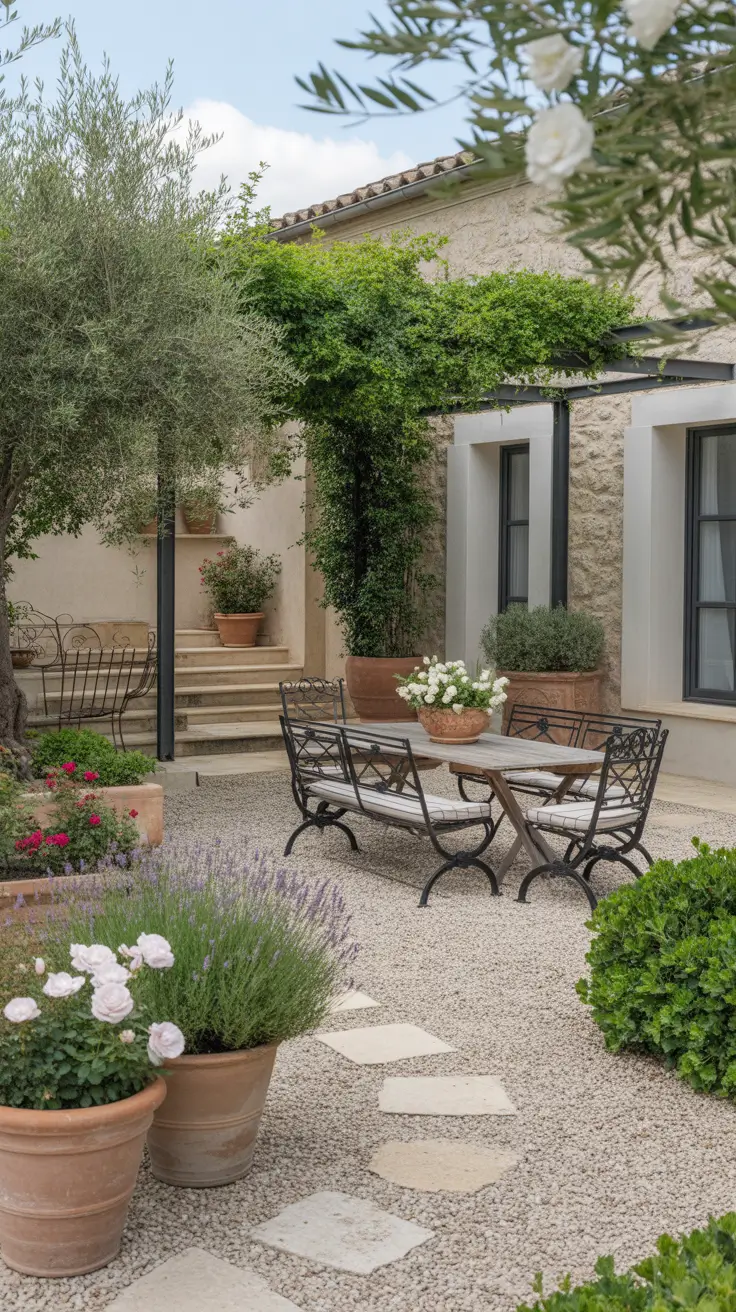
From my experience, this style works especially well in regions with limited Rain and strong sunlight. Many US landscape designers featured in Architectural Digest recommend gravel gardens for their durability and timeless charm. I personally appreciate how easily they adapt to both small patios and large estates.
To improve this section, I would add smart irrigation systems and subtle night lighting to enhance functionality and safety. In future projects, I also plan to integrate solar-powered accents to align more closely with sustainability goals.
Minimal Black And White Garden
In a minimal black and white garden, I focus on clarity, contrast, and architectural precision. This approach reflects contemporary Design thinking in garden landscaping 2026, where structure and simplicity dominate. Clean pathways, monochrome paving, and sculptural plants create a refined visual rhythm.
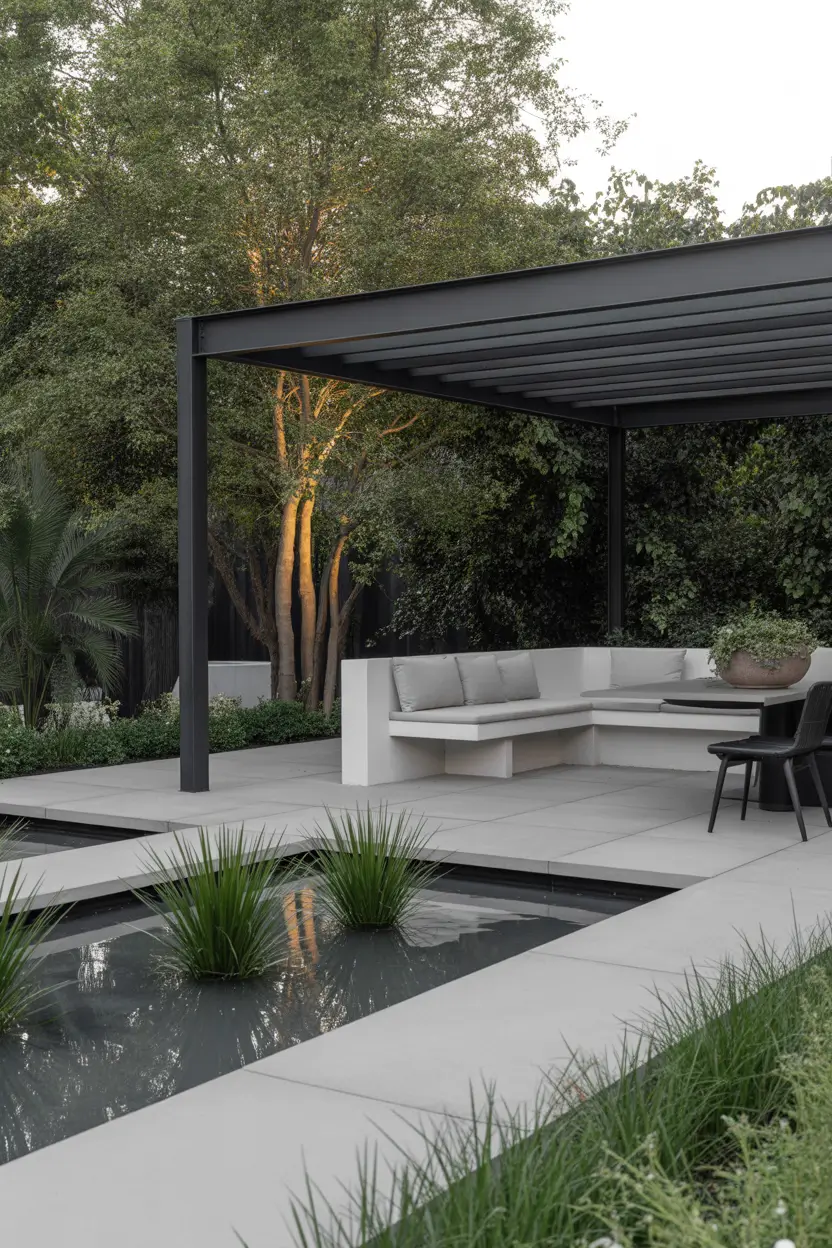
I usually select black metal pergolas, white concrete benches, and graphite planters to establish a consistent palette. Ornamental grasses, white Flower varieties, and dark-leaved shrubs provide natural contrast. Carefully placed water features and polished stone elements reinforce the minimalist atmosphere.
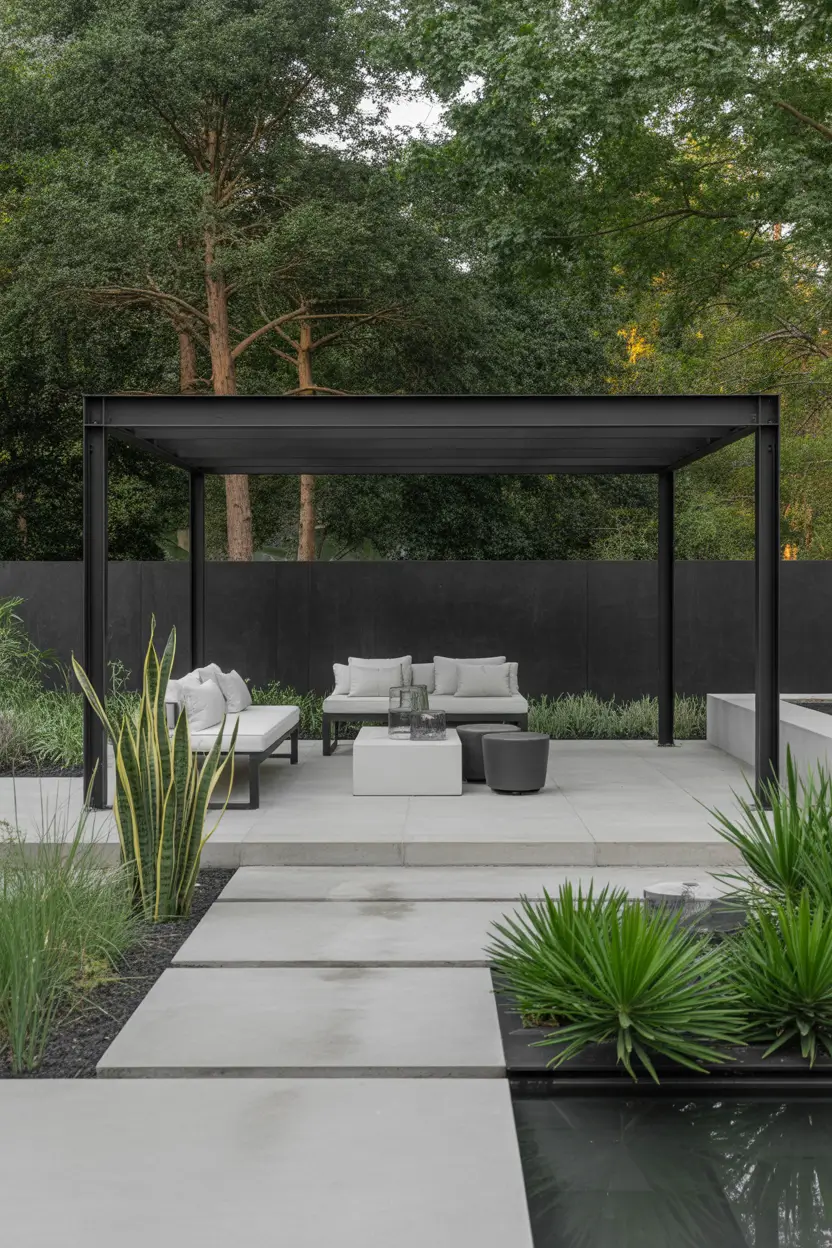
In my professional practice, I have noticed that clients appreciate how this style brings calm and order into busy urban environments. Designers featured in Dwell Magazine often emphasize that minimal gardens reduce visual noise and promote mindfulness. I fully agree, as these spaces encourage quiet reflection.
To enhance this section, I would introduce modular outdoor storage and hidden lighting systems. These elements would improve usability without compromising the clean aesthetic.
Succulent Terrace Garden
The succulent terrace garden represents one of the most adaptive trends in garden landscaping 2026. I design these spaces to maximize vertical surfaces, making them ideal for compact Backyard or rooftop environments. By combining stone terraces and layered planting, I create dynamic landscapes centered on Succulent rock compositions.
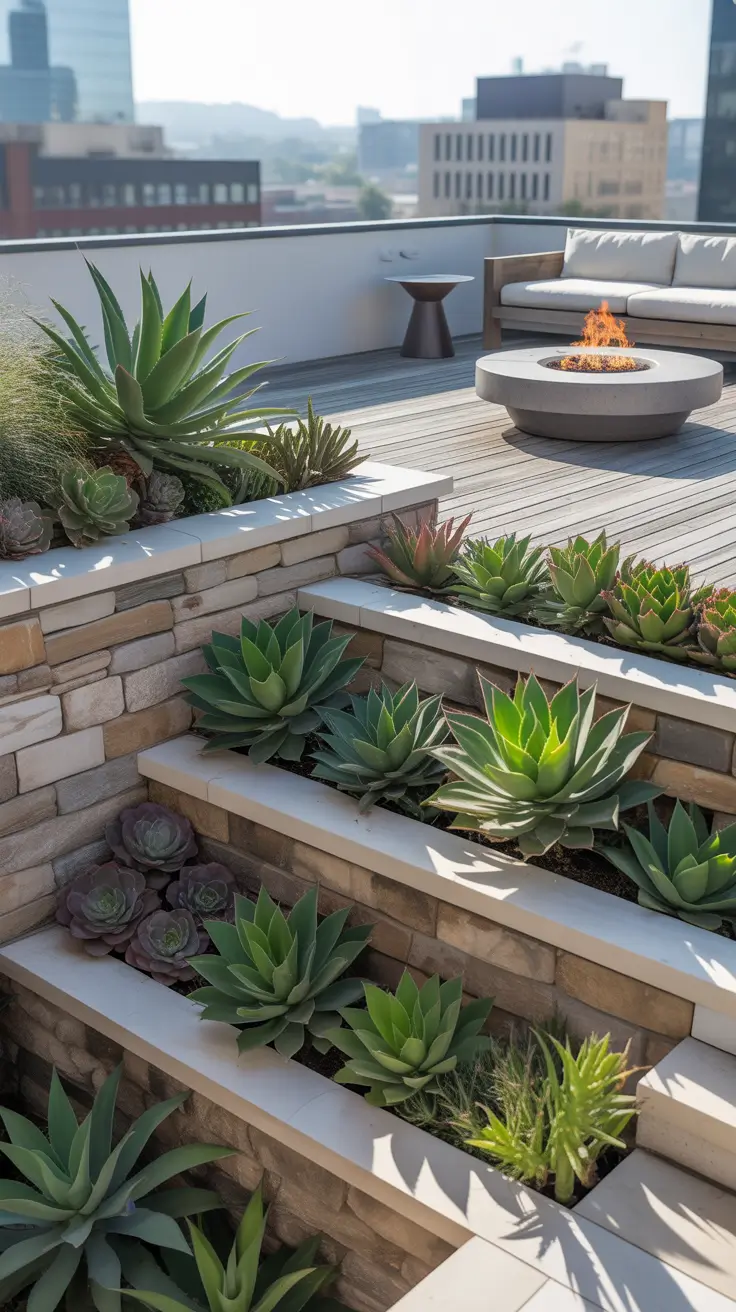
I typically use concrete steps, wooden decking, and ceramic bowls filled with diverse Succulent species. Aloe, echeveria, and agave thrive in these settings and pair well with minimalist loungers and weather-resistant sofas. Small fire pits and shade sails further improve comfort.
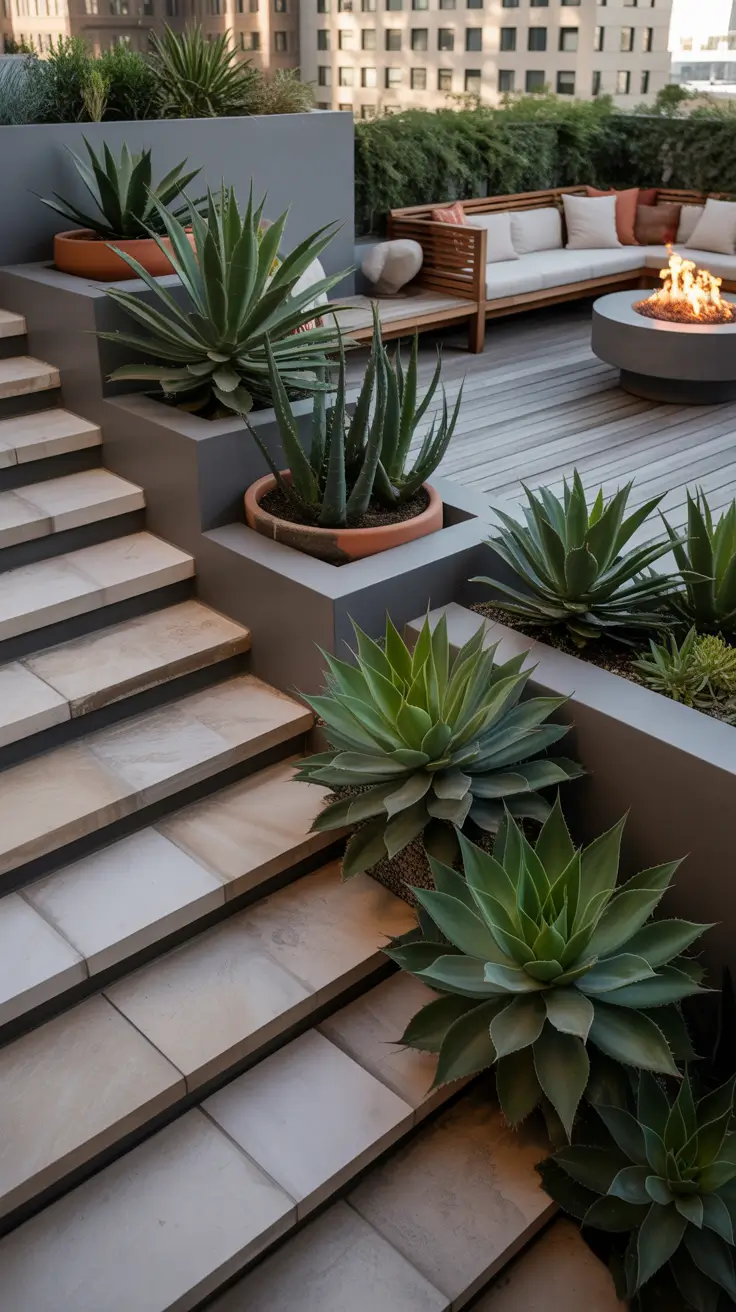
From personal experience, succulent terraces are extremely popular among younger homeowners. According to Better Homes and Gardens, low-maintenance gardens are becoming a priority nationwide. I value how these designs balance practicality and artistic expression.
To improve this concept, I would add rainwater harvesting systems and mobile planters. These features would allow seasonal adjustments and long-term sustainability.
European Formal Hedge Garden
The European formal hedge garden draws inspiration from classical estates and structured symmetry. In garden landscaping 2026, this style represents a return to disciplined layouts and long-term planning. I design these gardens with axial paths, trimmed hedges, and carefully framed viewpoints.
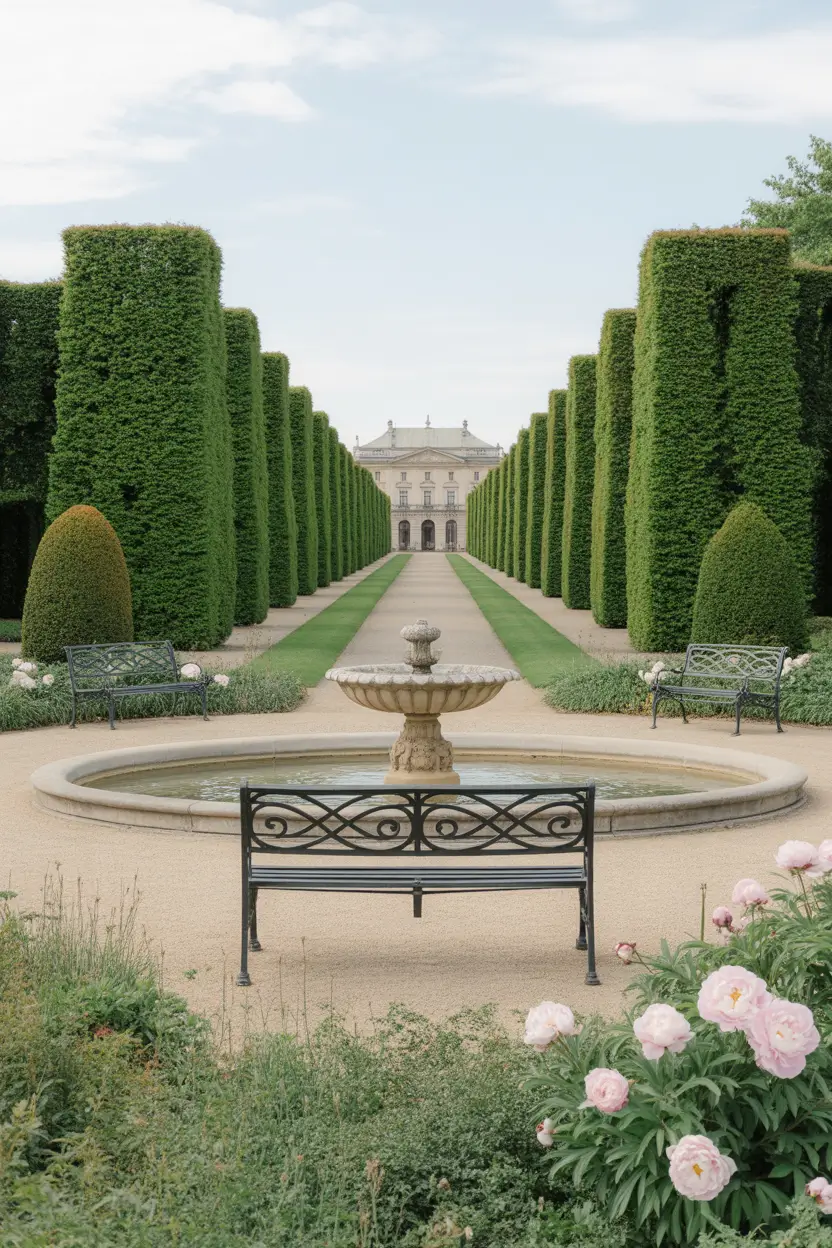
I rely on boxwood, yew, and hornbeam hedges, complemented by stone fountains and wrought-iron seating. Gravel alleys, marble sculptures, and traditional benches reinforce the European heritage. Seasonal beds with Peony and Wild flower varieties add softness to the geometry.
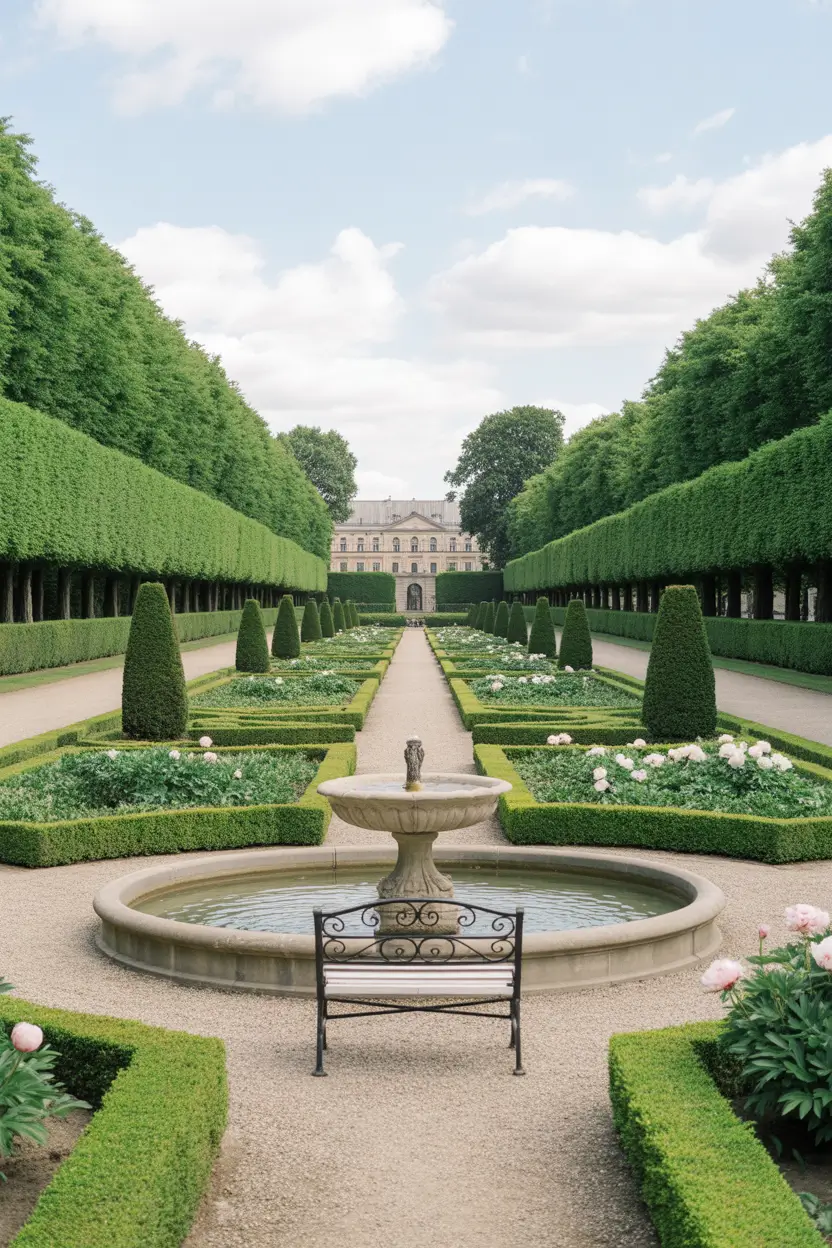
Personally, I find these gardens deeply satisfying to maintain. Landscape experts from The New York Times often highlight formal gardens as symbols of craftsmanship and patience. I agree, as they reward consistent care with unmatched elegance.
To strengthen this section, I would include automated pruning tools and soil-monitoring systems. These technologies would simplify maintenance while preserving tradition.
Water Mirror Reflection Garden
A water mirror reflection garden focuses on visual depth and tranquility. In my designs for garden landscaping 2026, reflective pools become central elements that expand perceived space and enhance natural light. I arrange these gardens to highlight sky, plants, and architecture.
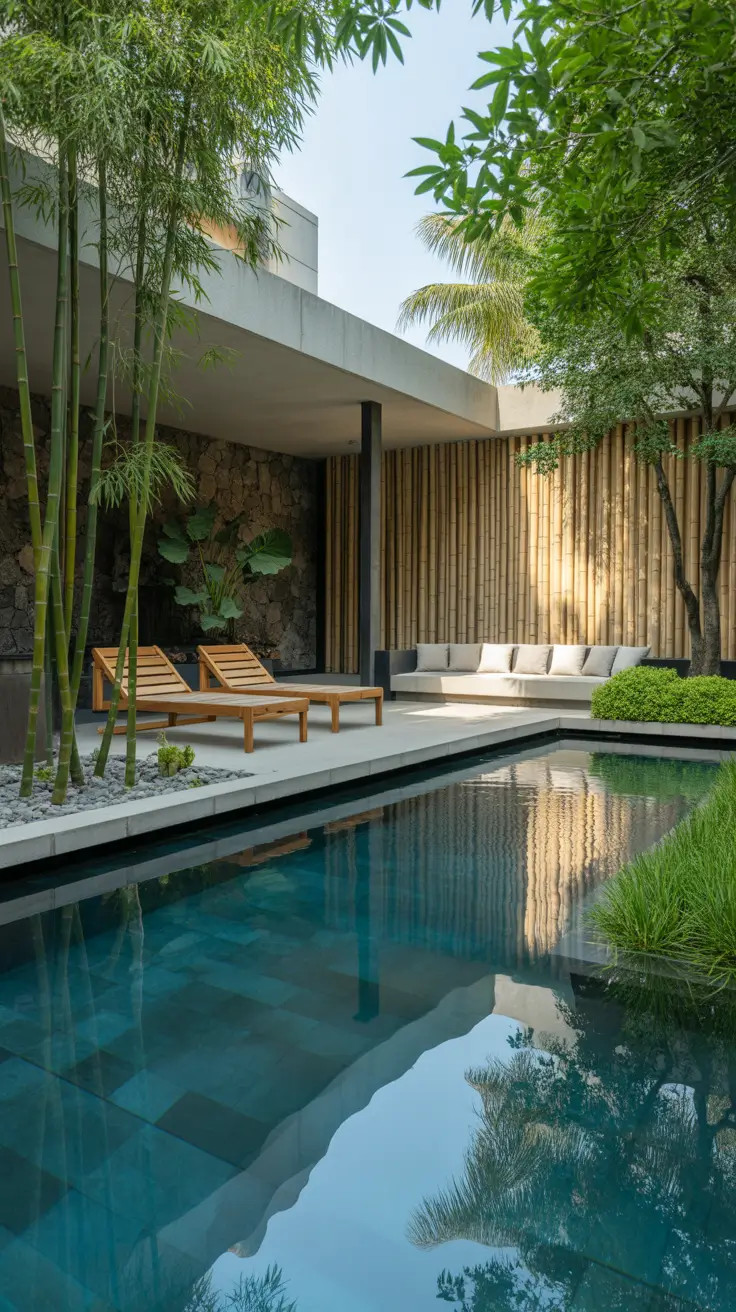
I incorporate shallow pools, floating platforms, and minimalist bridges. Stone seating, teak loungers, and subtle Bamboo screens provide privacy and comfort. Aquatic plants and LED underwater lighting complete the composition.
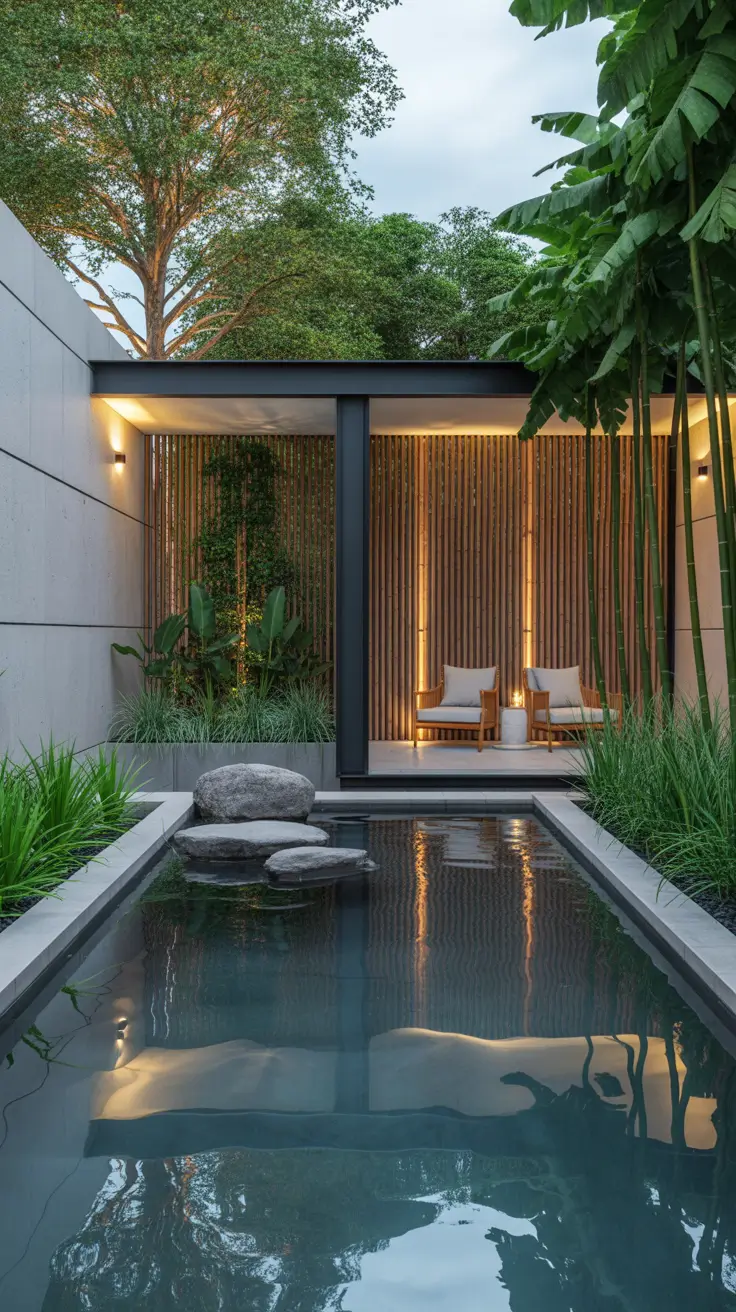
In my projects, clients often describe these gardens as therapeutic. Designers featured in Garden Design Magazine emphasize water features for stress reduction and microclimate control. I strongly support this approach based on my own observations.
To improve this section, I would integrate filtration systems powered by renewable energy. This would ensure long-term clarity and ecological balance.
Color Block Flower Garden
The color block flower garden celebrates bold creativity and visual storytelling. In garden landscaping 2026, this approach transforms planting into living artwork. I organize plantings by color zones, creating strong visual rhythms across the landscape.
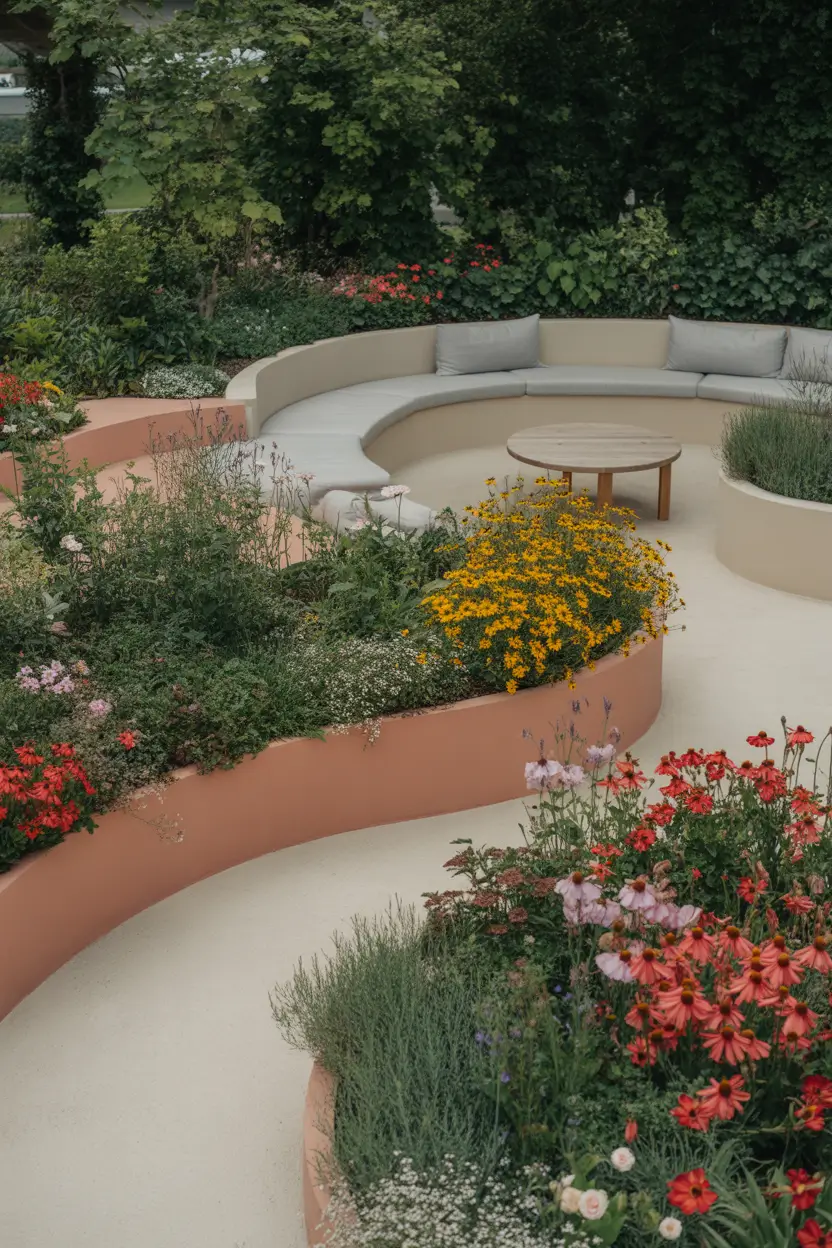
I select raised beds, modular planters, and curved pathways to define each color block. Vibrant Flower species, including tulips, dahlias, and Wild blooms, dominate the space. Neutral seating and light wood furniture allow colors to remain the main focus.
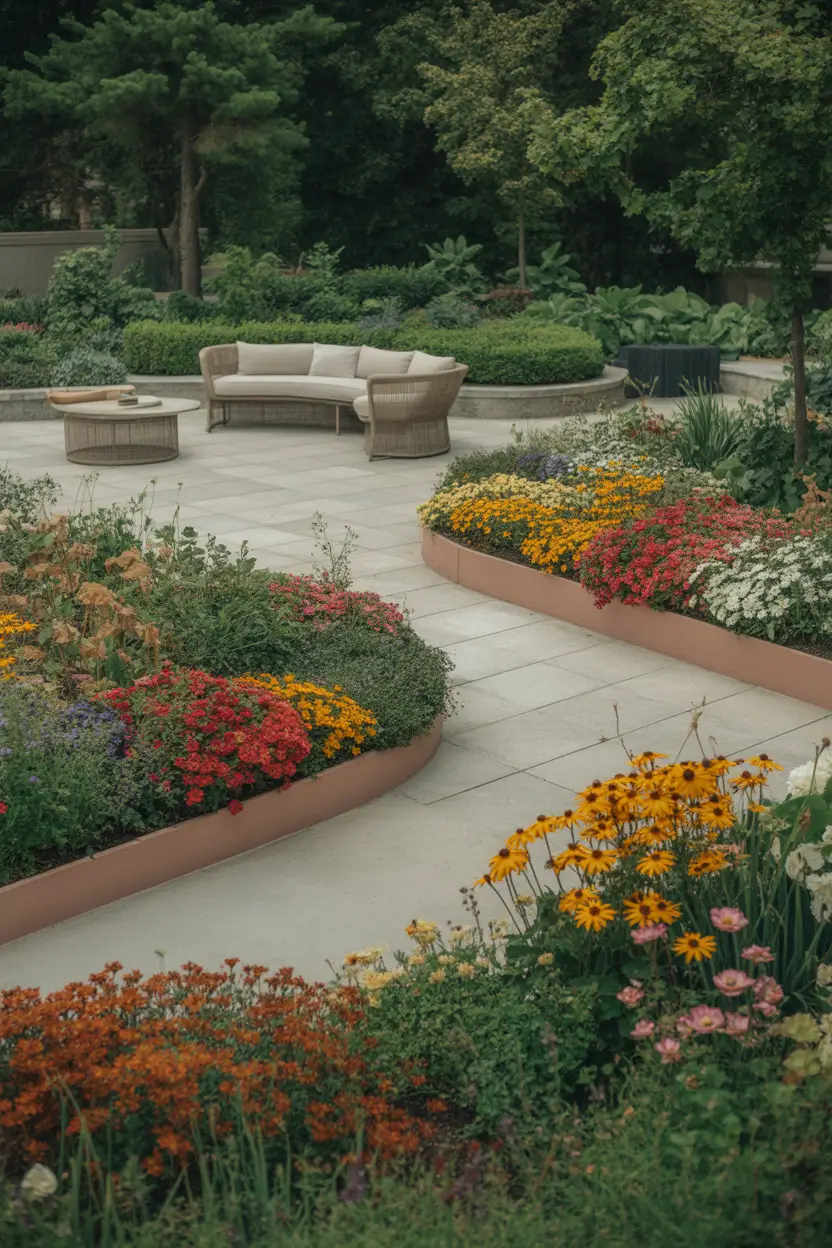
From my experience, this style appeals to expressive homeowners and creative professionals. According to HGTV experts, color zoning helps beginners understand planting strategies. I often recommend this method for experimental gardeners.
To enhance this section, I would add seasonal rotation plans and digital planting maps. These tools would help users maintain consistent color impact year-round.
Sunset Palette Backyard Garden
The sunset palette backyard garden reflects warmth, relaxation, and emotional comfort. In garden landscaping 2026, this style responds to the desire for personal retreats. I design these spaces using gradients of orange, pink, and gold tones inspired by evening skies.
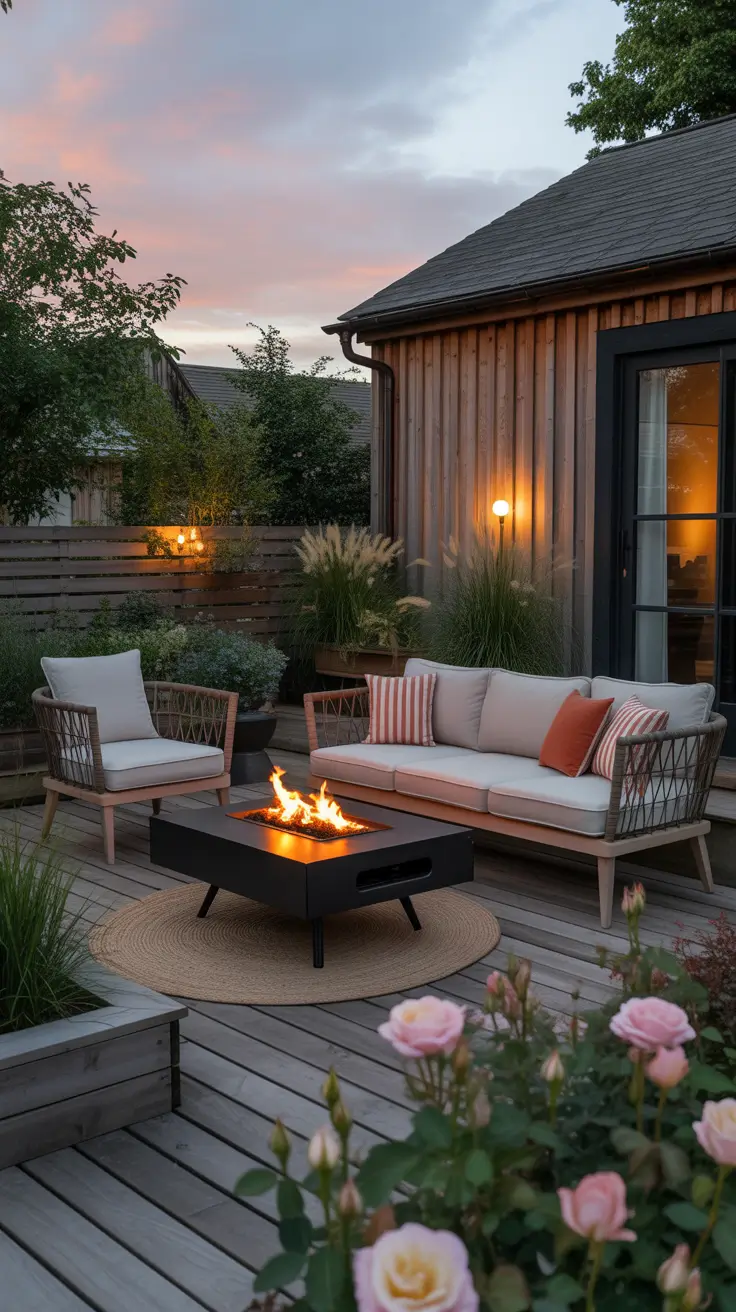
I usually integrate wooden decks, cushioned sofas, fire tables, and pergolas. Plants such as ornamental grasses, roses, and tropical species create layered depth. Touches of Farmhouse and English style details blend tradition with modern comfort, while Modern japanese influences appear in clean lines and restrained décor.
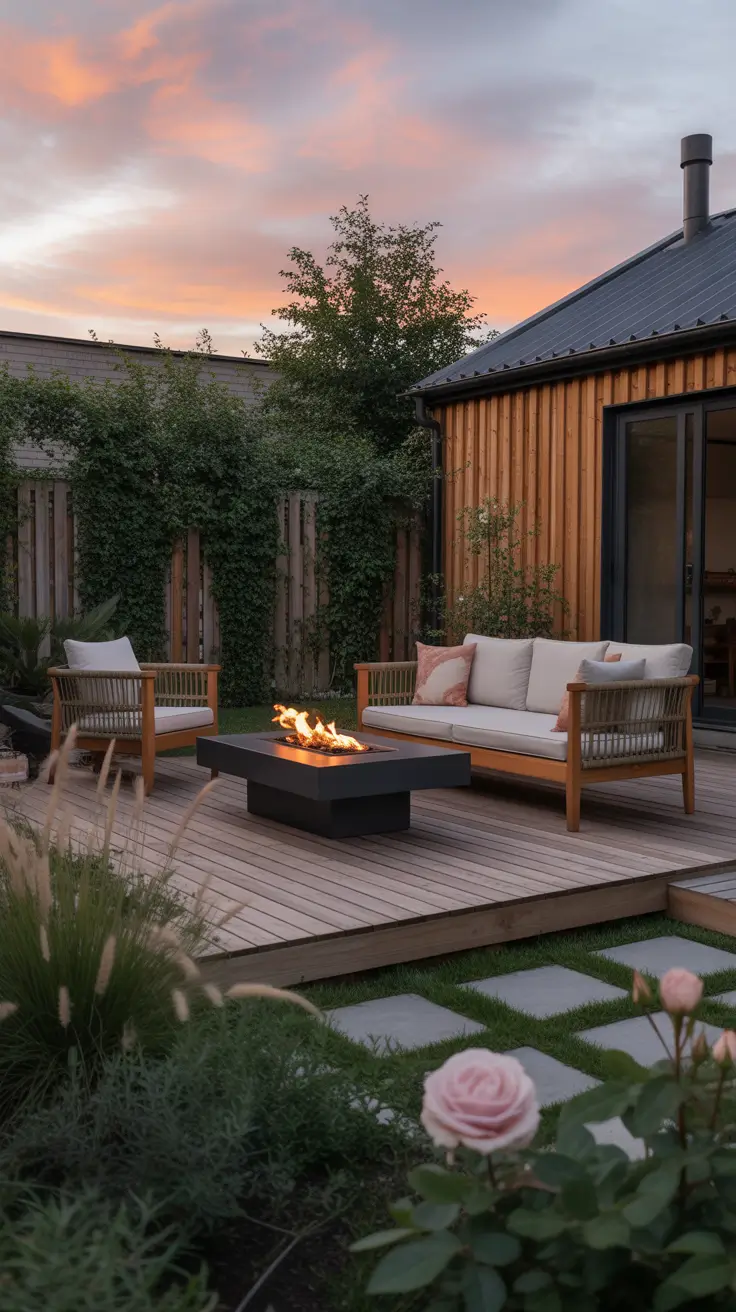
In my practice, these gardens consistently receive positive feedback for their atmosphere. Sunset-inspired designs are frequently praised by Sunset Magazine for enhancing outdoor living. I find that they encourage social interaction and relaxation.
To improve this section, I would incorporate smart lighting scenes and weather-responsive shading systems. These upgrades would make the space more adaptable to changing conditions.